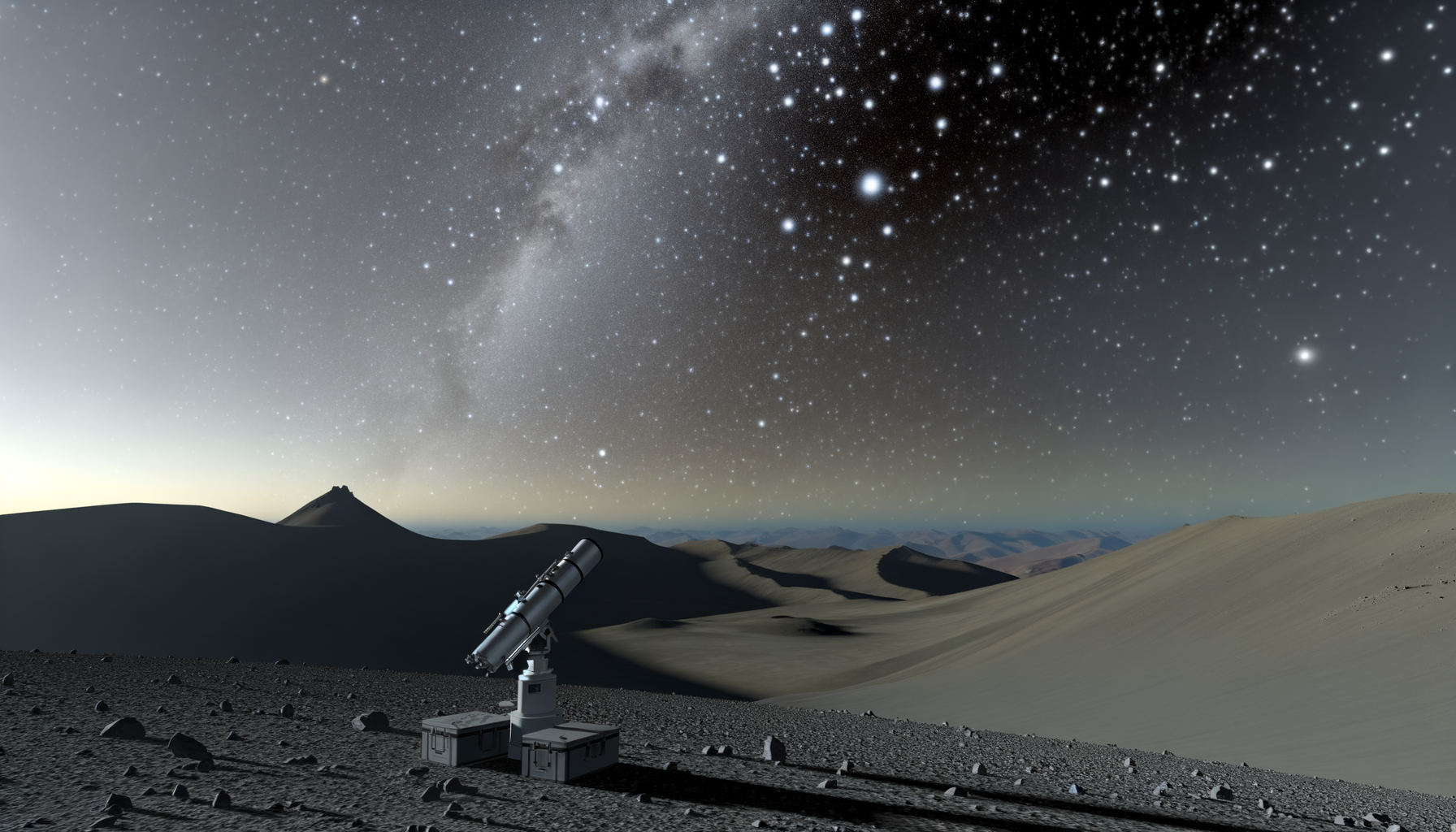
Latent Captures
The light from the starry vista we perceive in the night sky on any given evening began its journey long ago. What you are seeing is a mirage, latent to that moment in time, hiding its true and current nature. In fact, many of the objects we see in the night sky no longer exist, yet the human race will go on observing those objects for eons to come. The images on this site are simply snapshots in time.
A great deal of care has been taken in the processing of these images in order to present them in the most illustrative way possible yielding to both science and aesthetics.
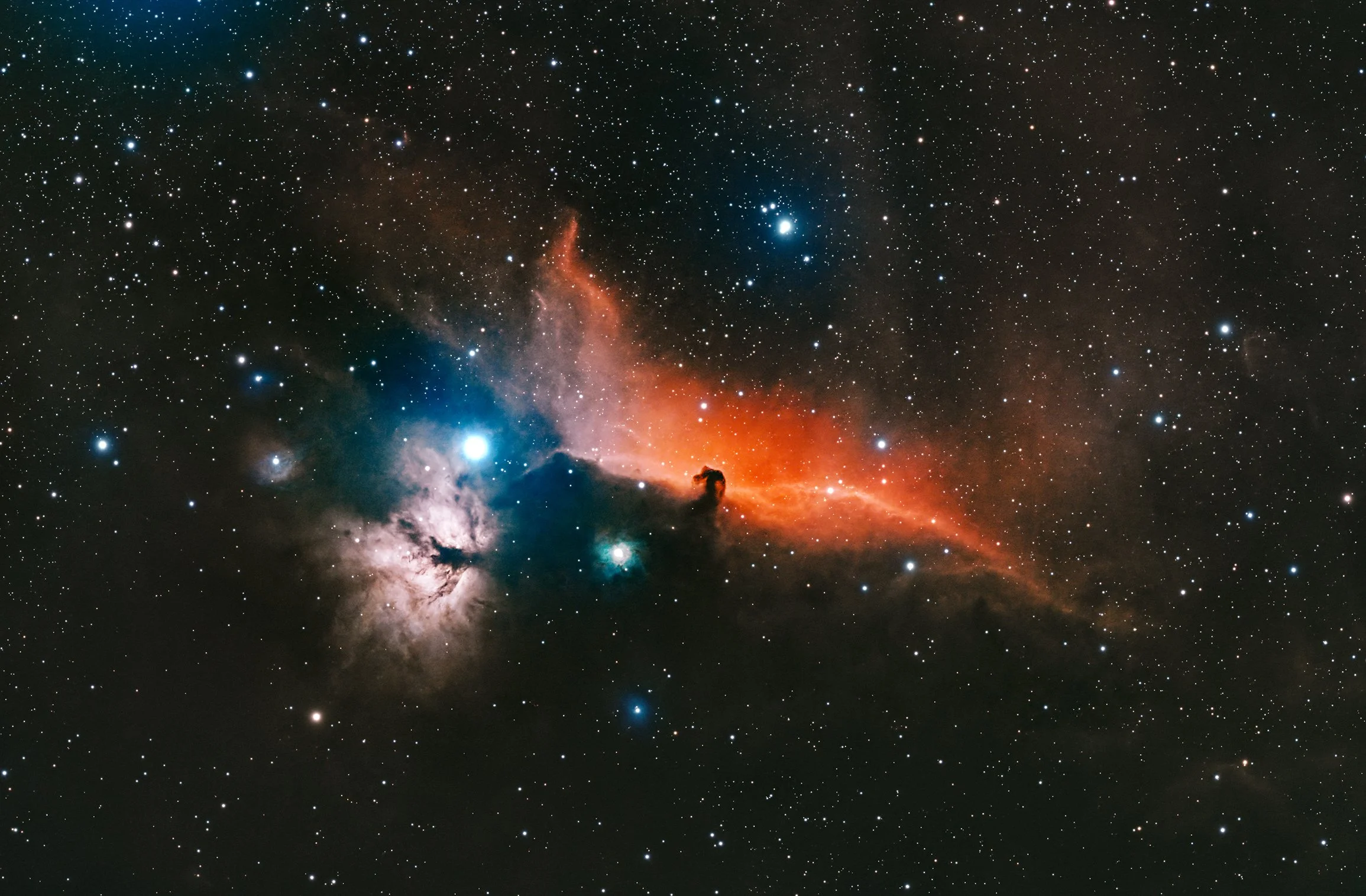
IC434 Horsehead Nebula Broadband
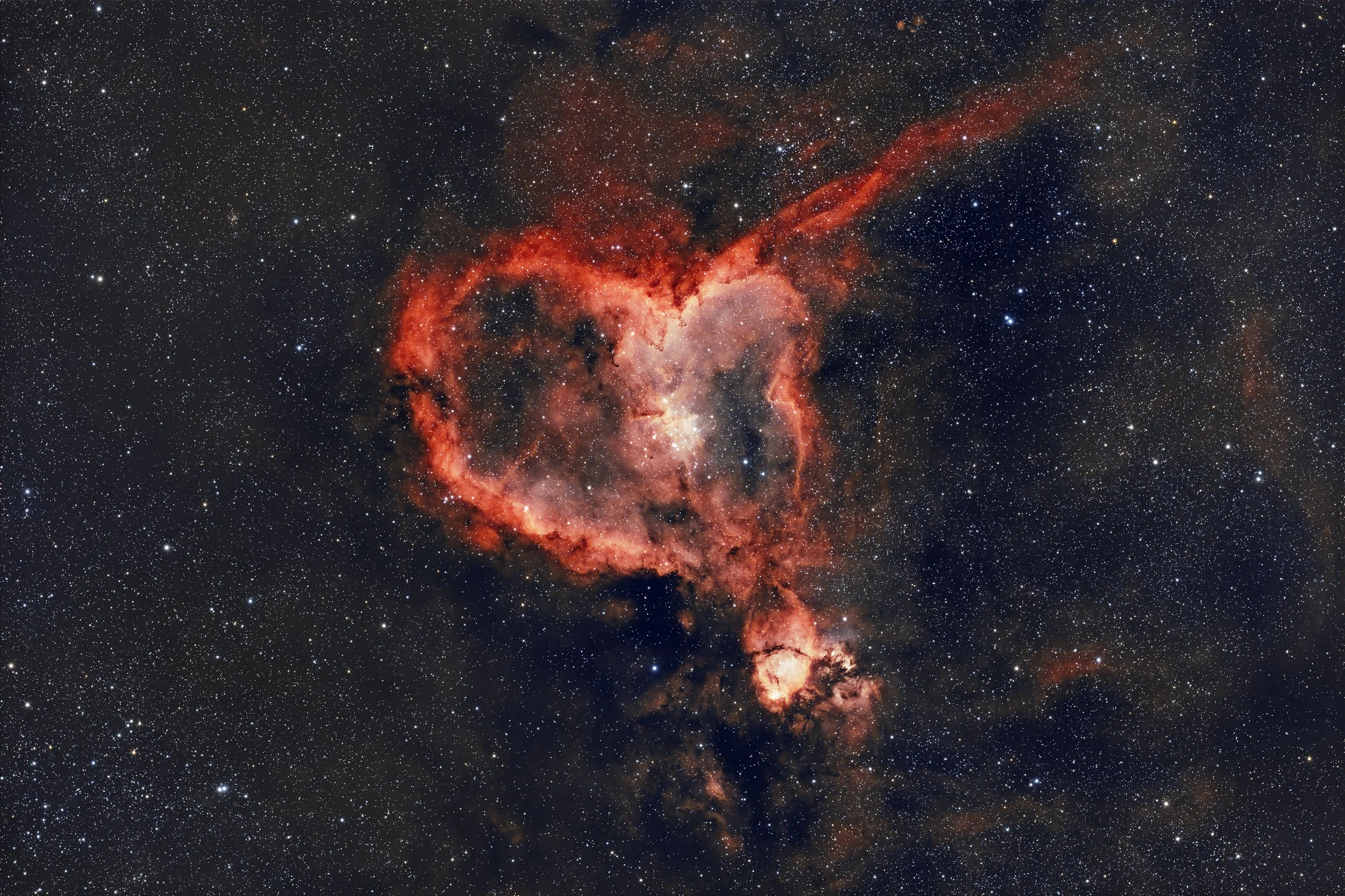
IC1805 Heart Nebula Ha OIII
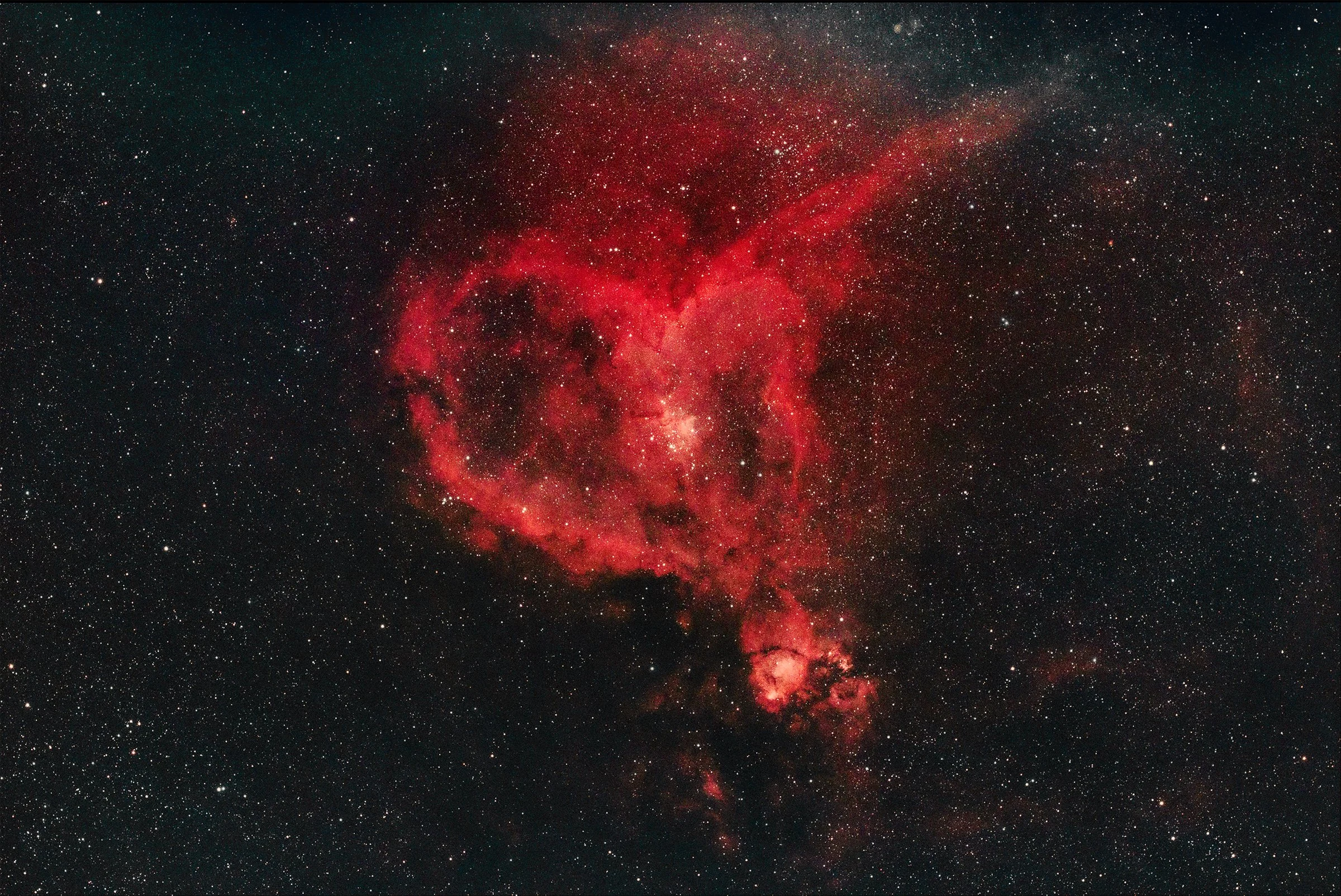
IC1805 Heart Nebula Ha OIII
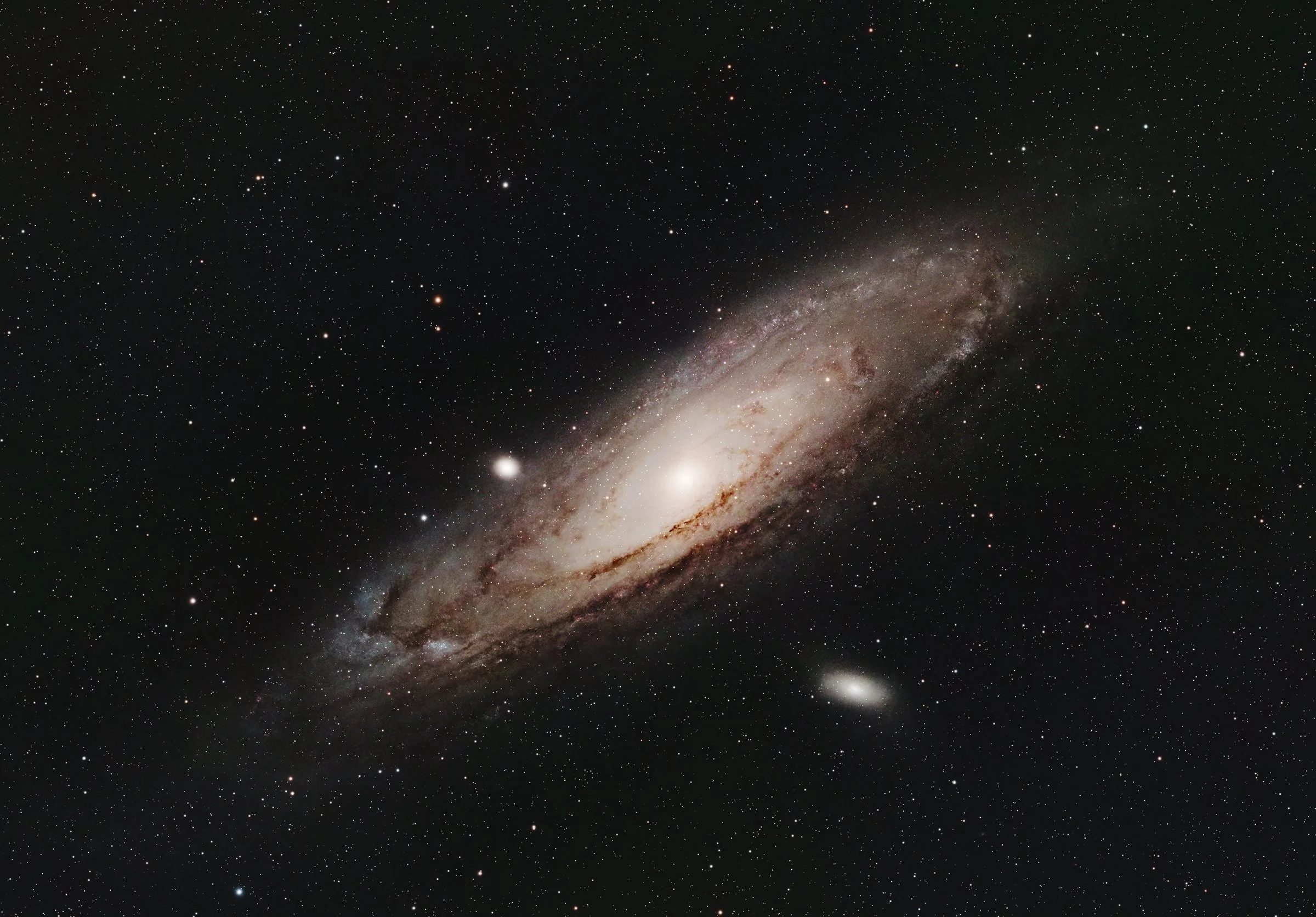
M31 Andromeda Galaxy Broadband
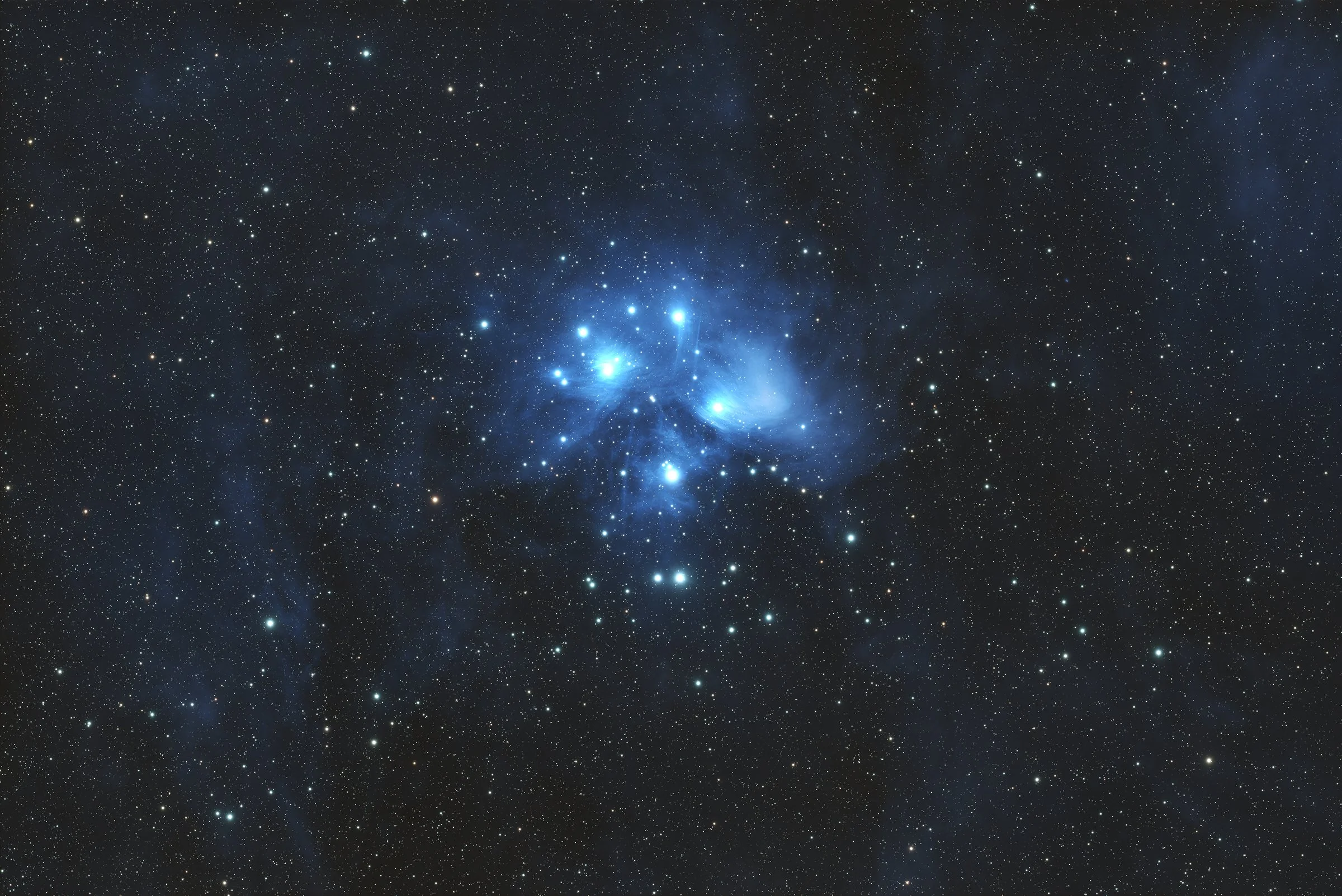
M45 Pleiades Asterism Broadband
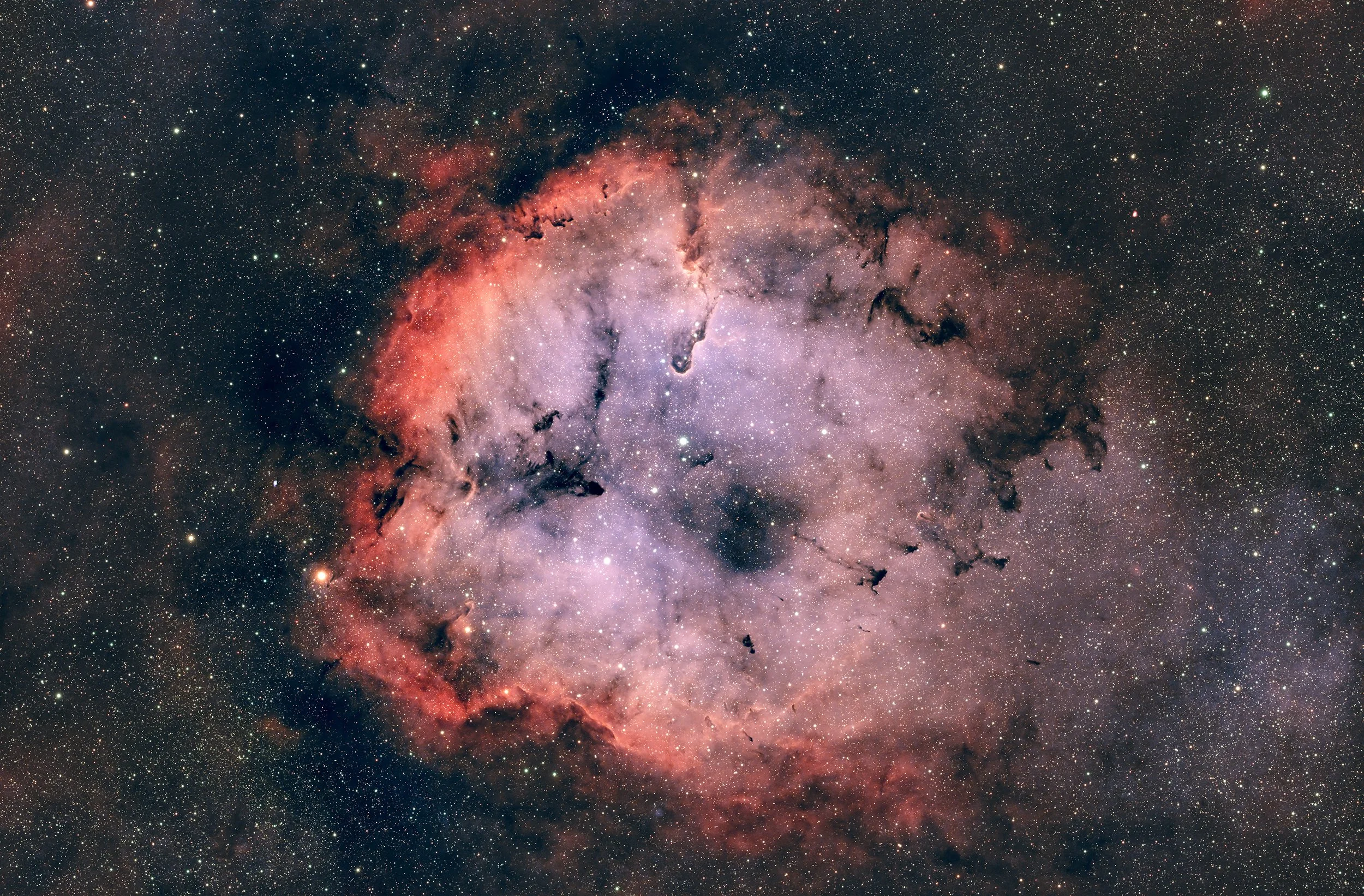
Mu Cephei Nebula Ha OIII
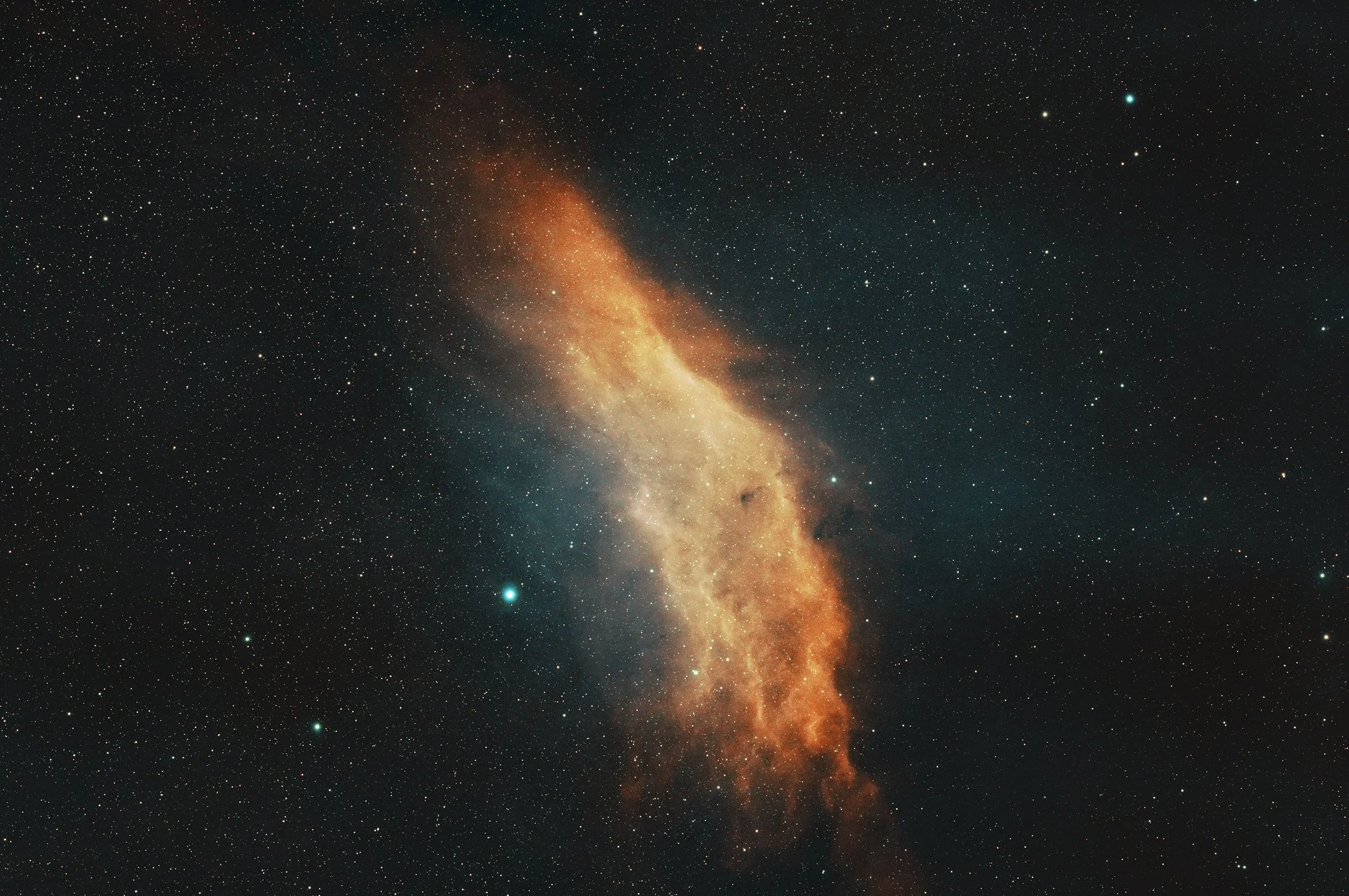
NGC1499 California Nebula Ha OIII
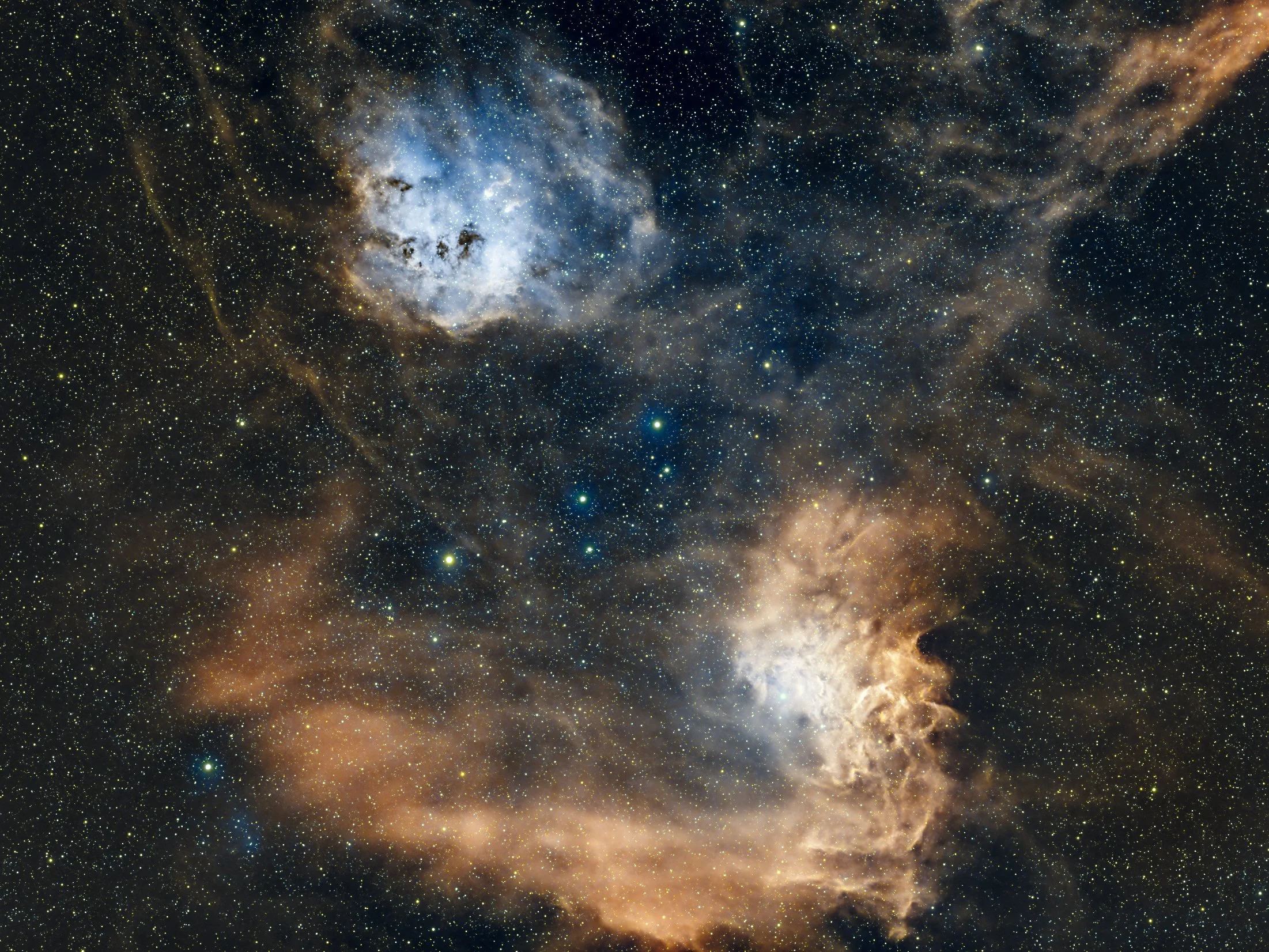
NGC1893 Tadpole Nebula Ha OIII
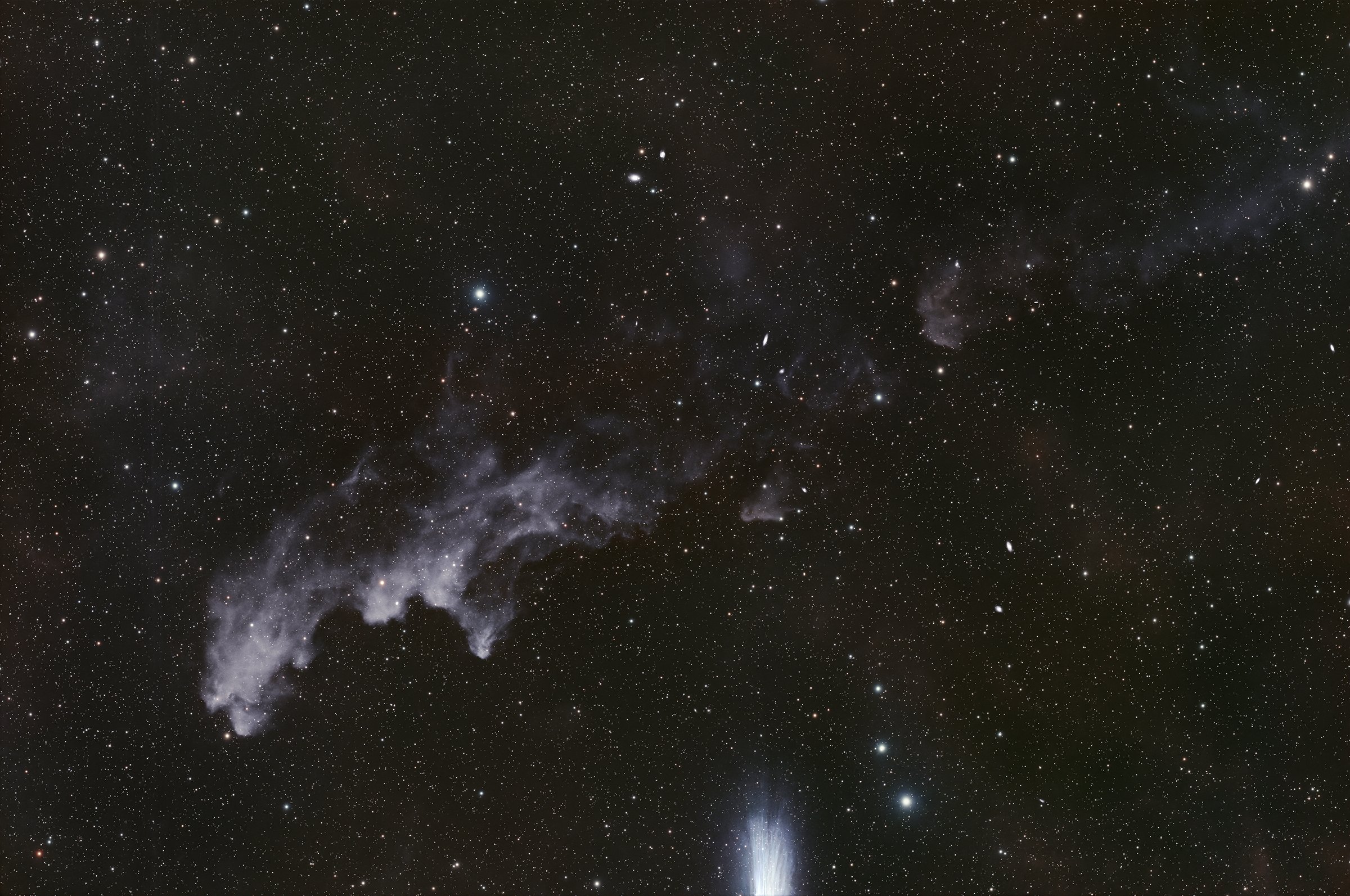
NGC1909 Witch Head Nebula Broadband
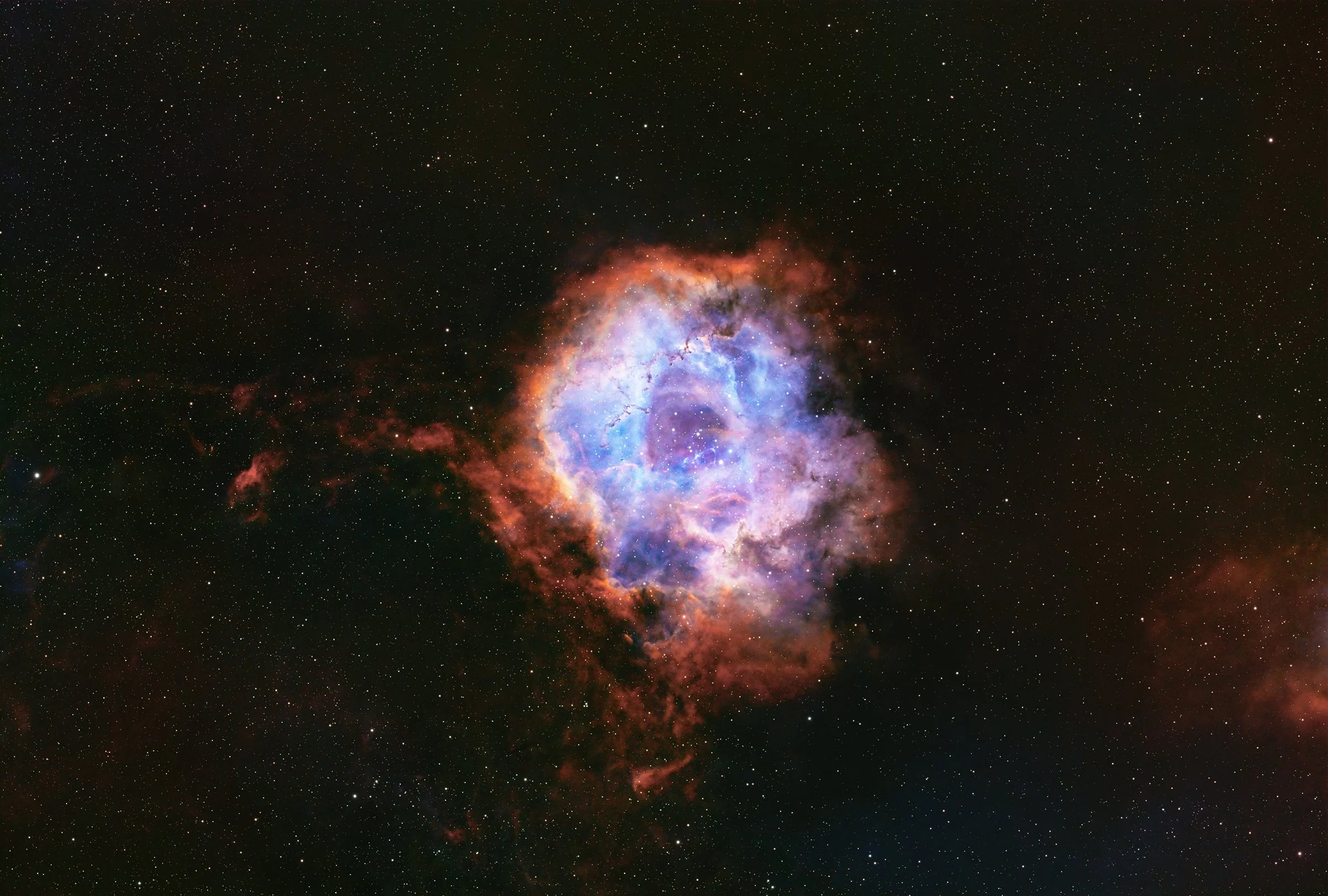
NGC2244 Rosette Nebula SII Ha OIII
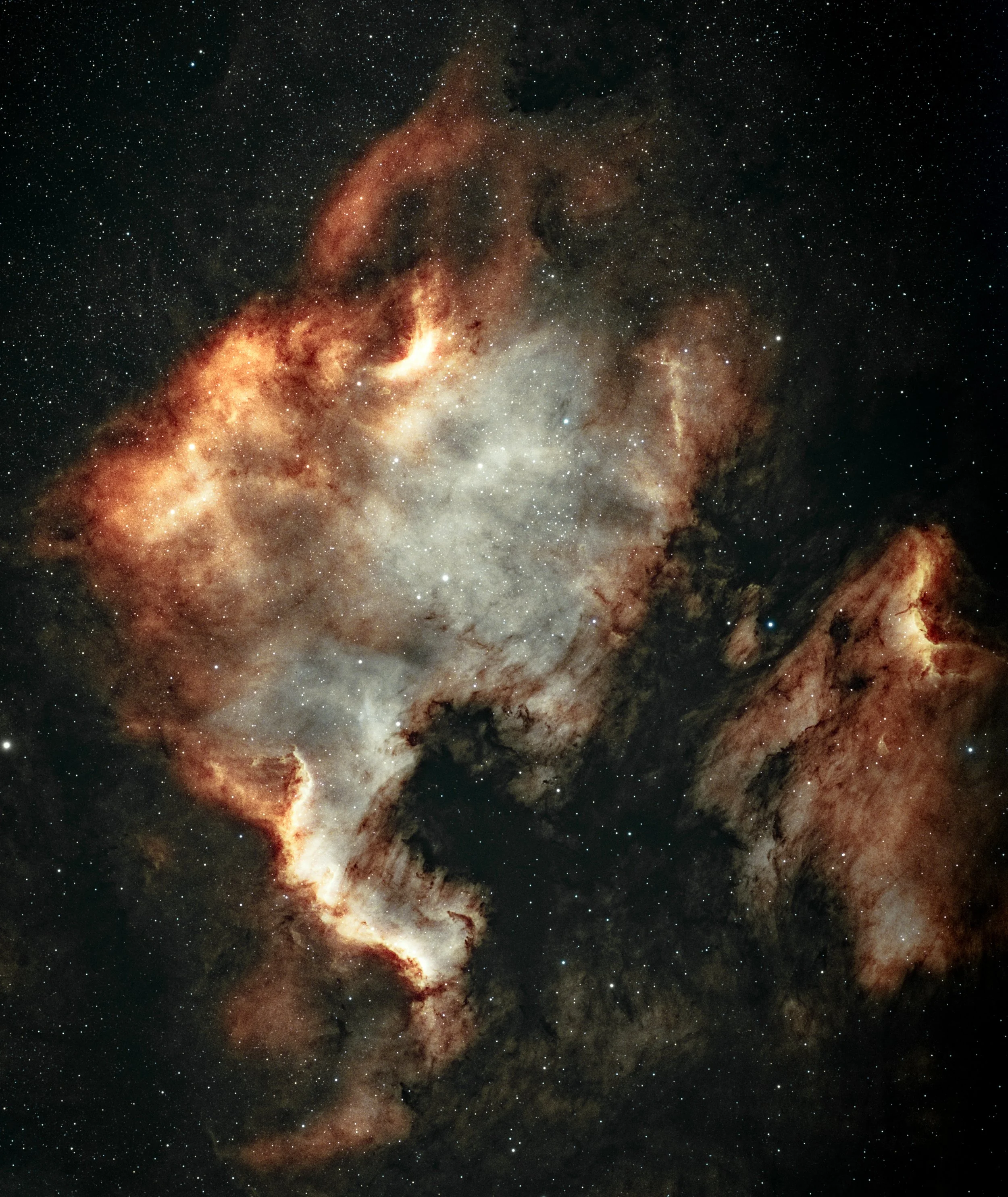
NGC7000 North American Nebula Ha OIII
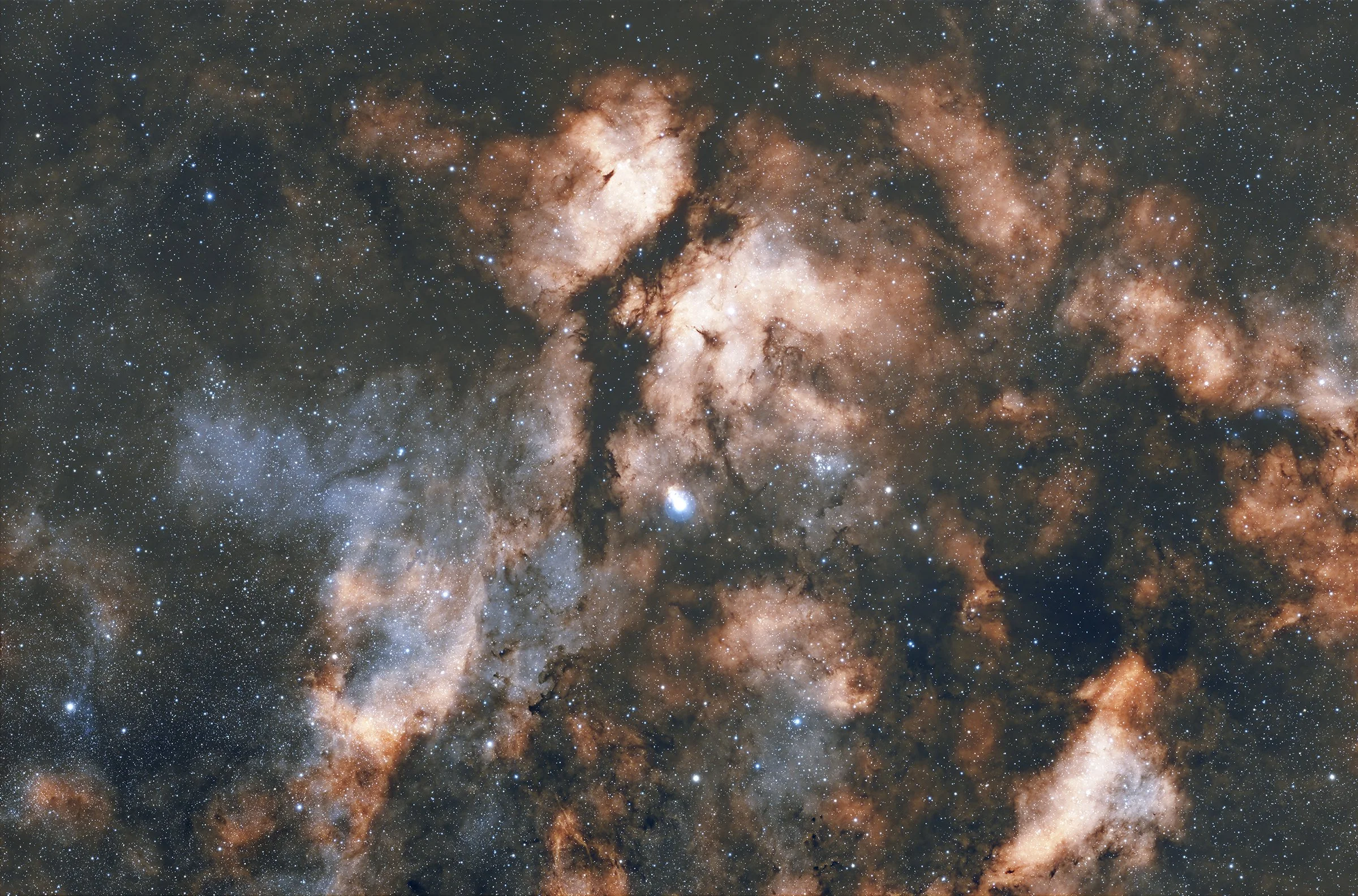
IC1318 Sadr Nebula Ha OIII
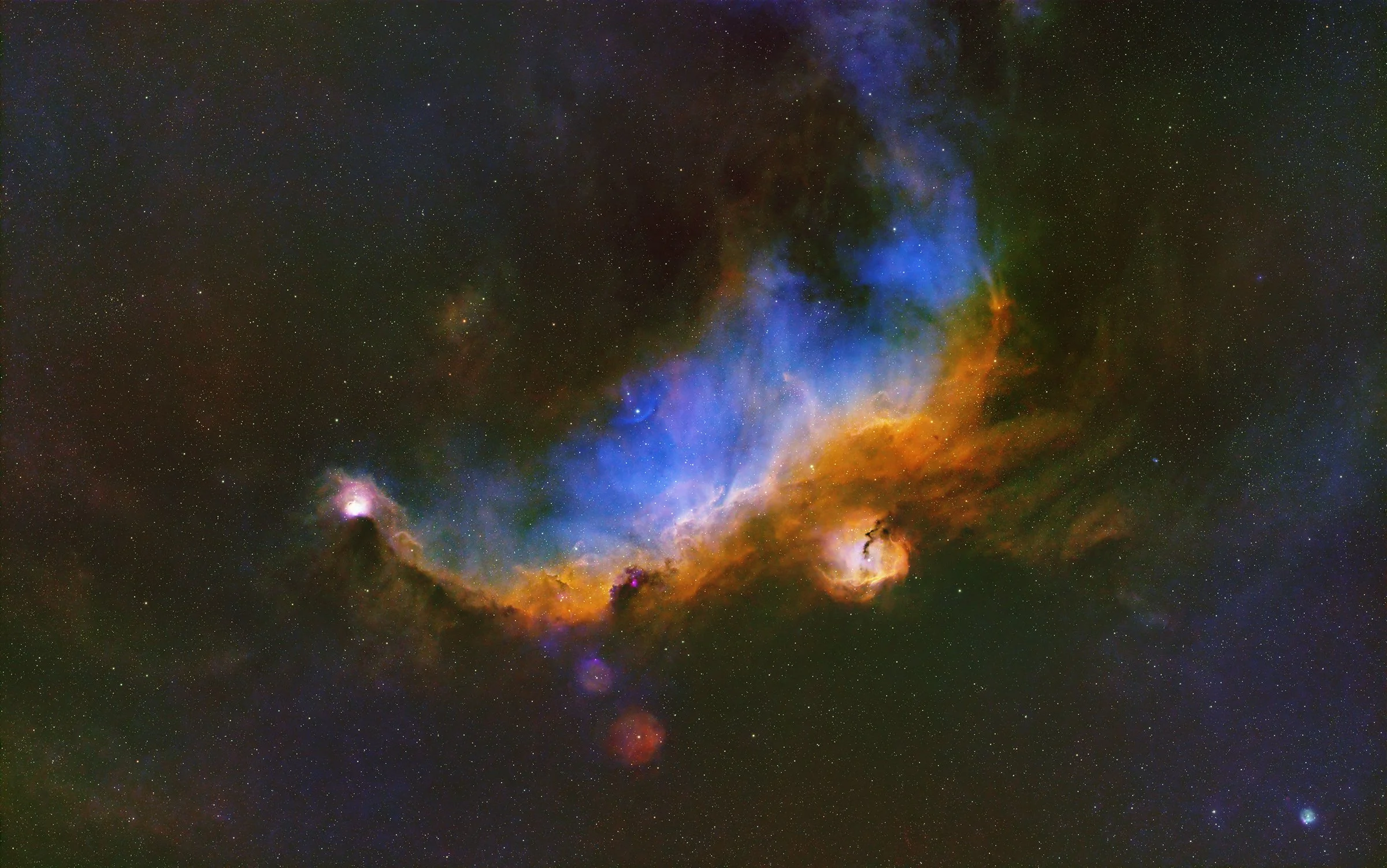
NGC2335 SH2-296 Seagull Nebula SII Ha OIII
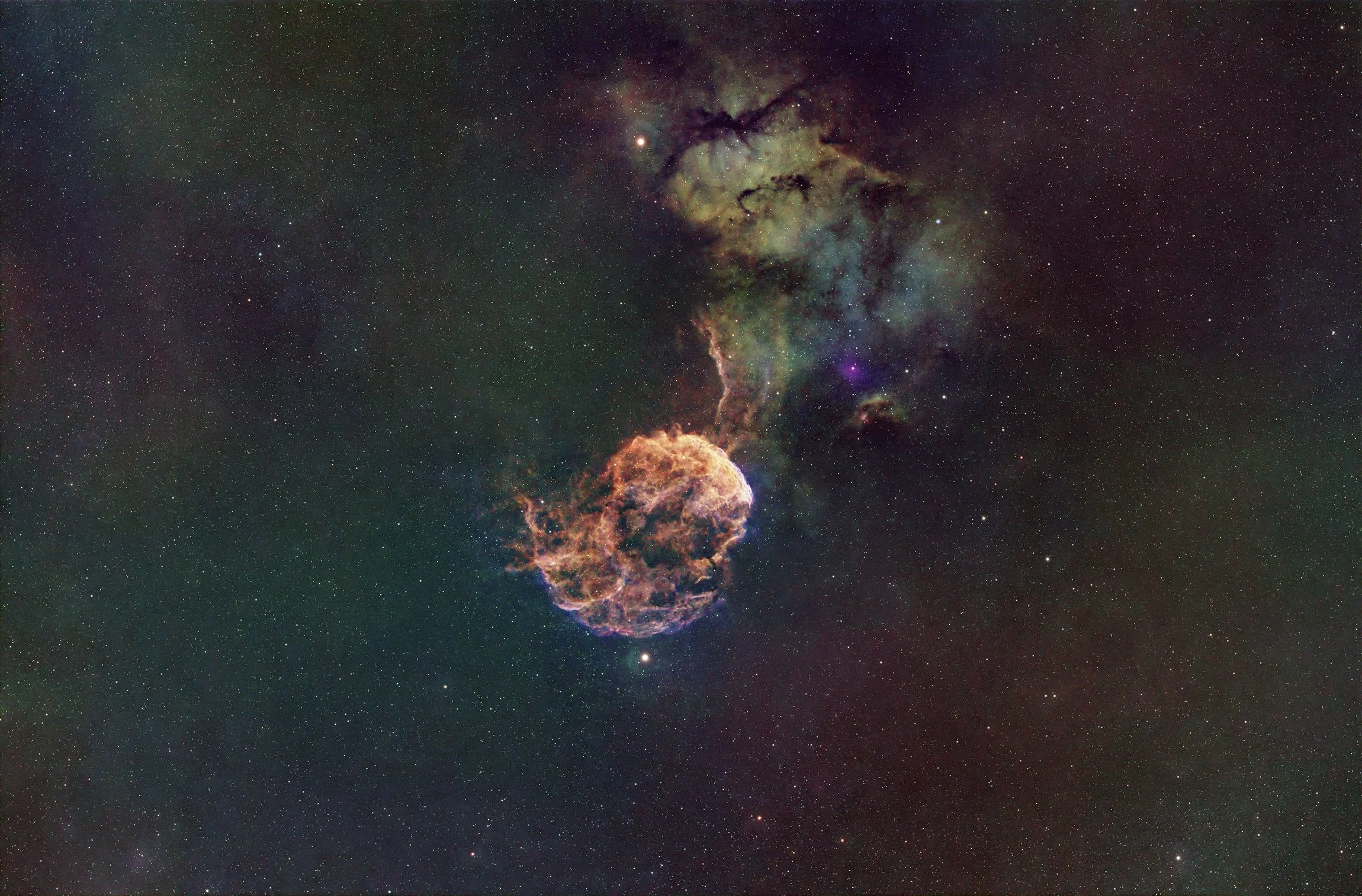
IC443 Jellyfish Nebula SII Ha OIII
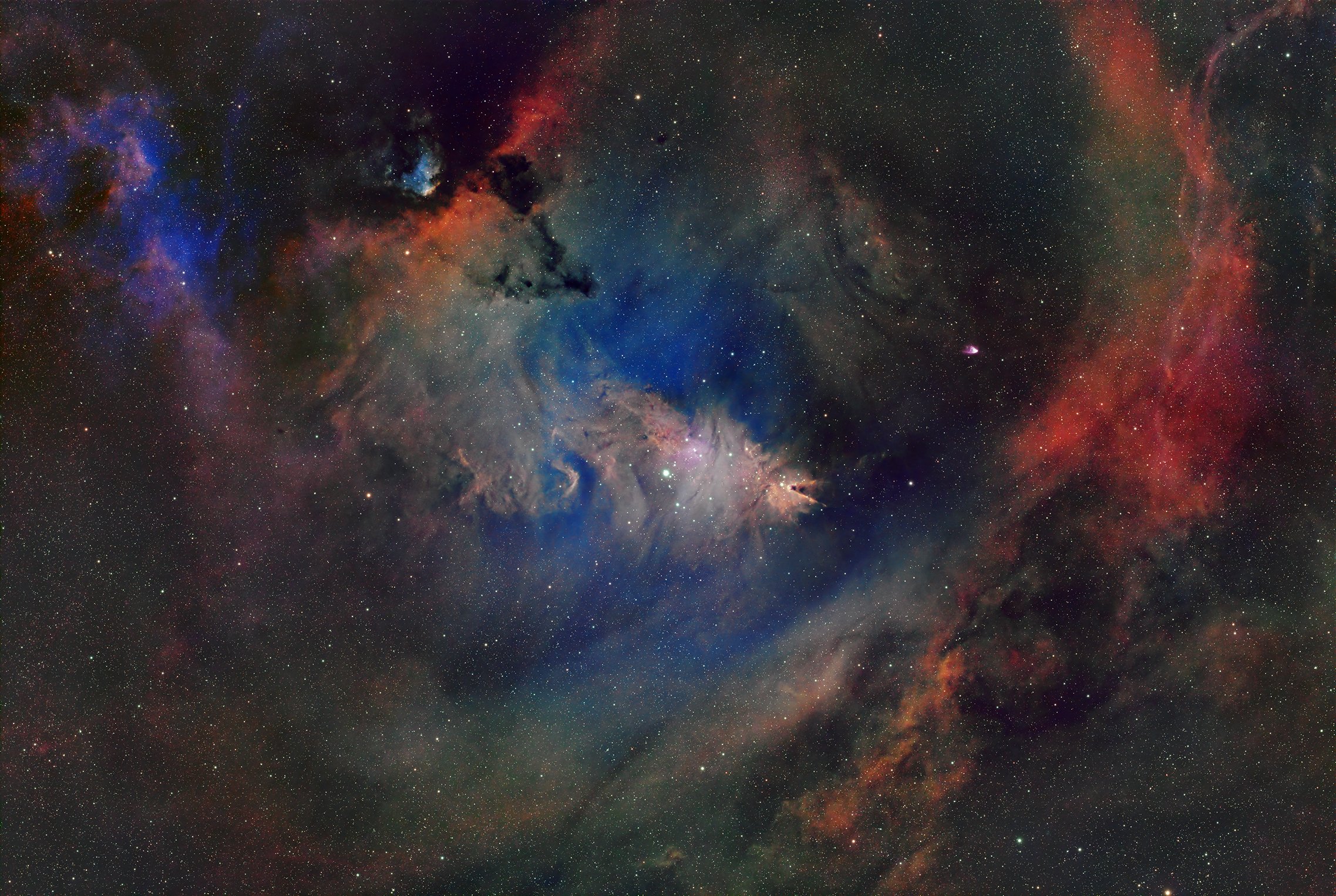
NGC2264 Cone Nebula SII Ha OIII
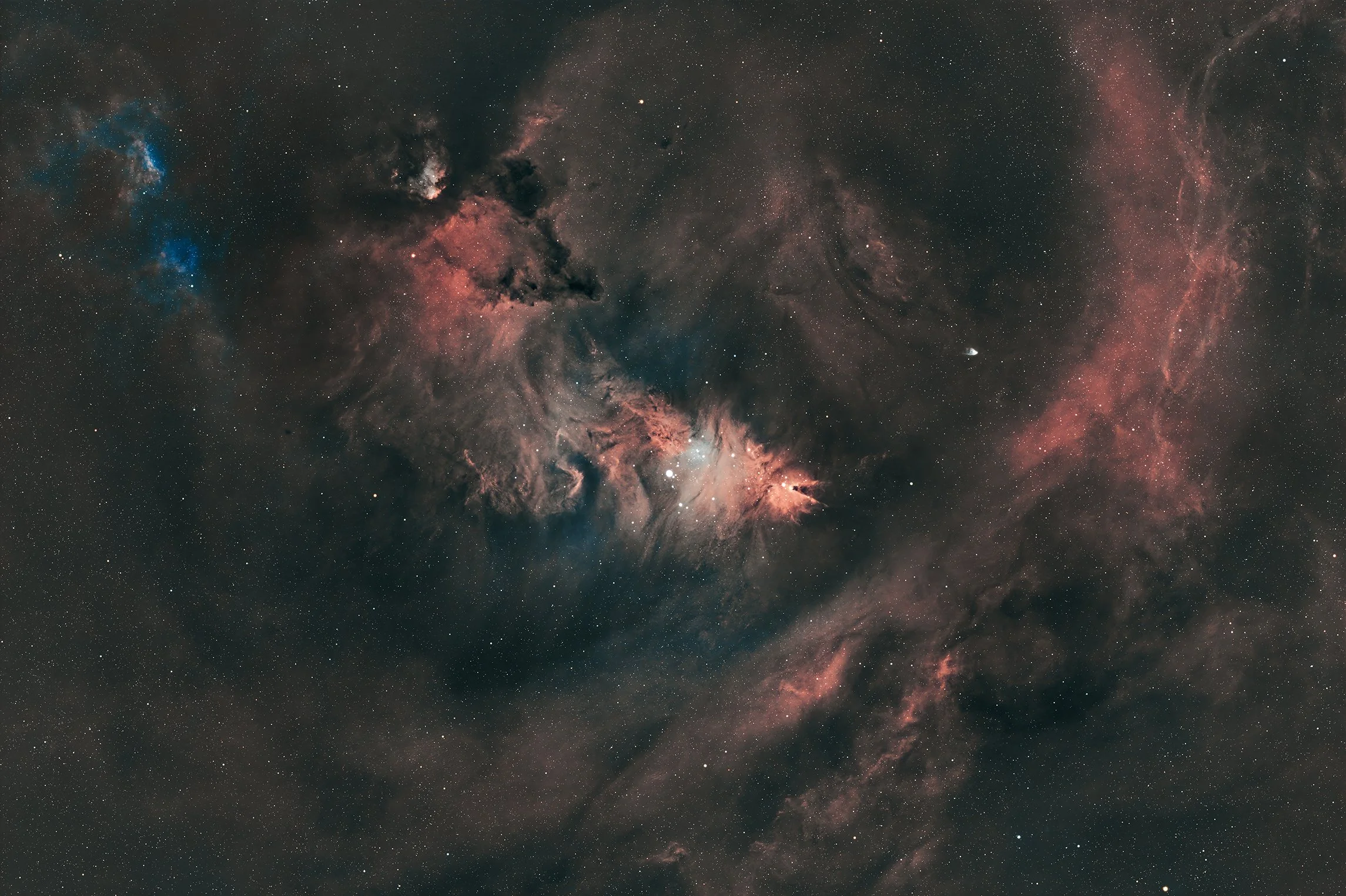
NGC2264 Cone Nebula Ha OIII
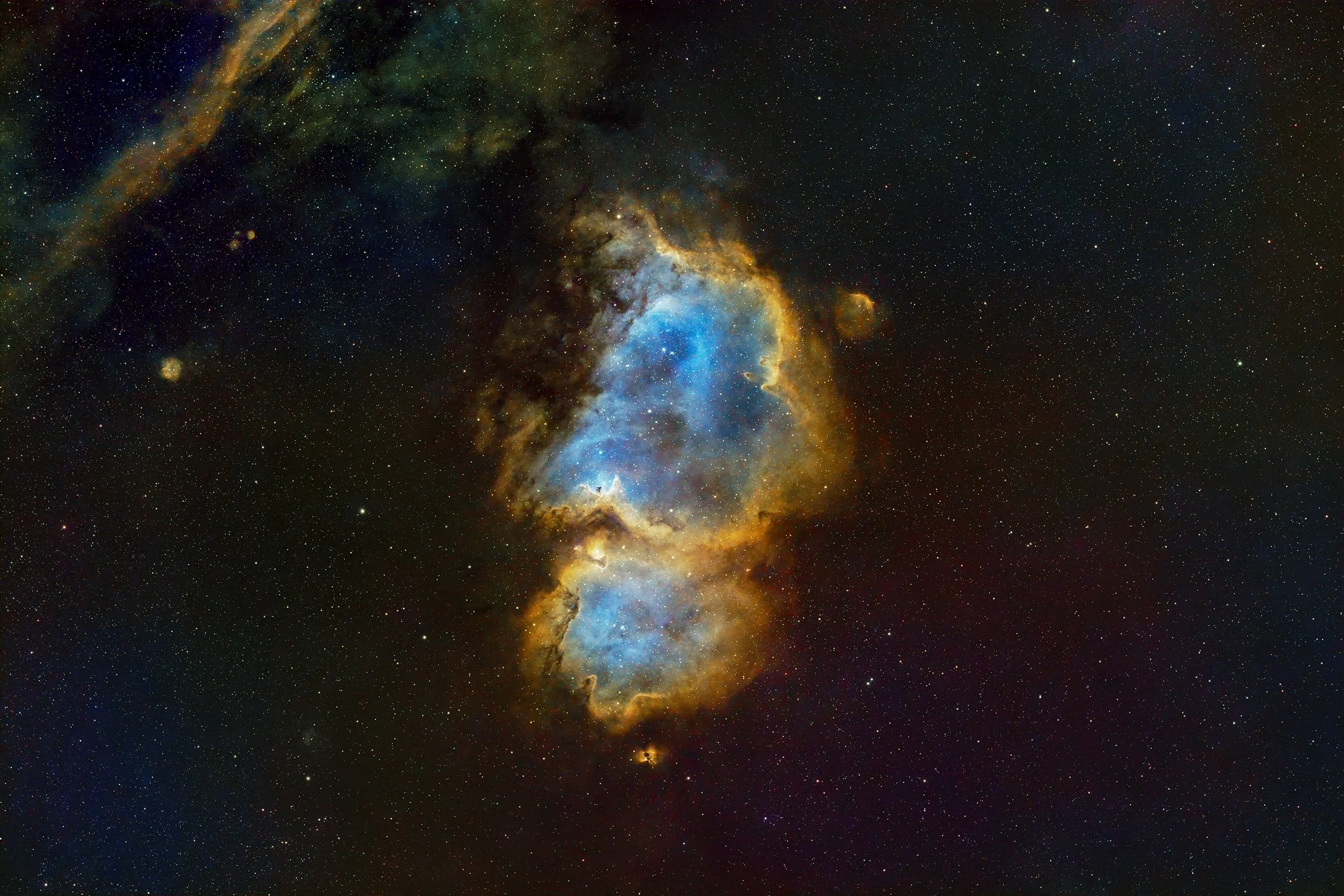
IC1848 Soul Nebula SII Ha OIII
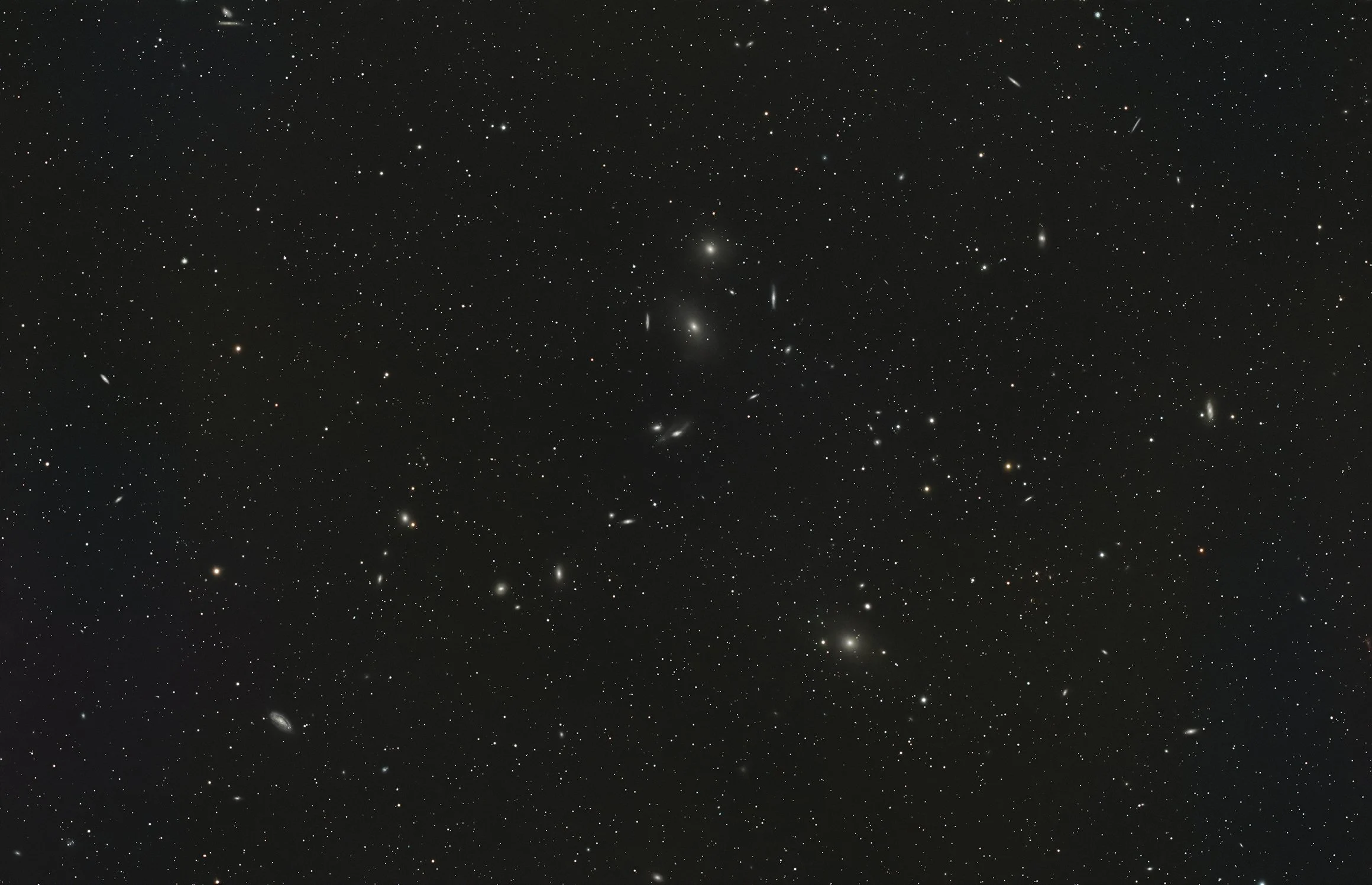
Markarian's Chain Broadband
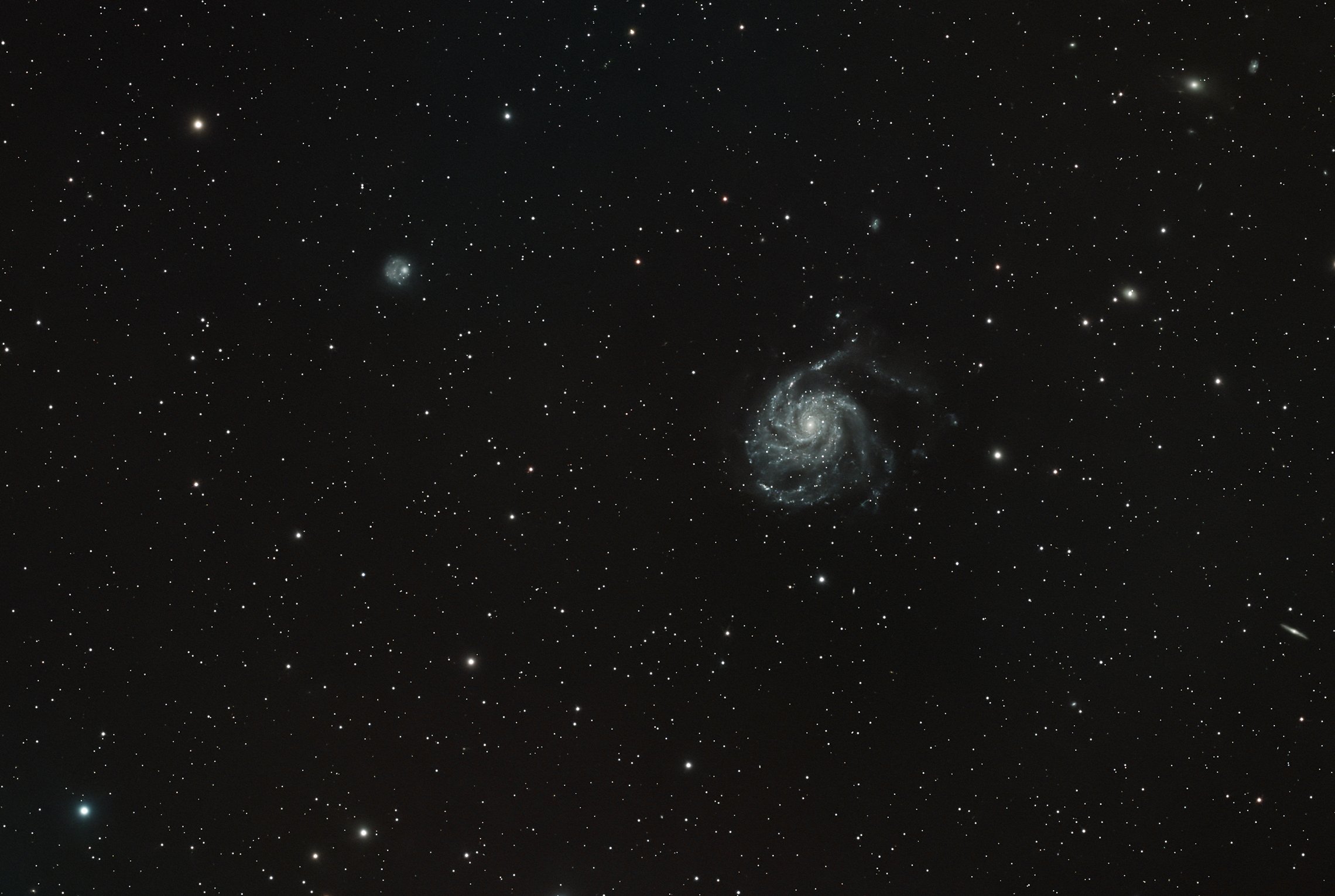
M101 Pinwheel Galaxy
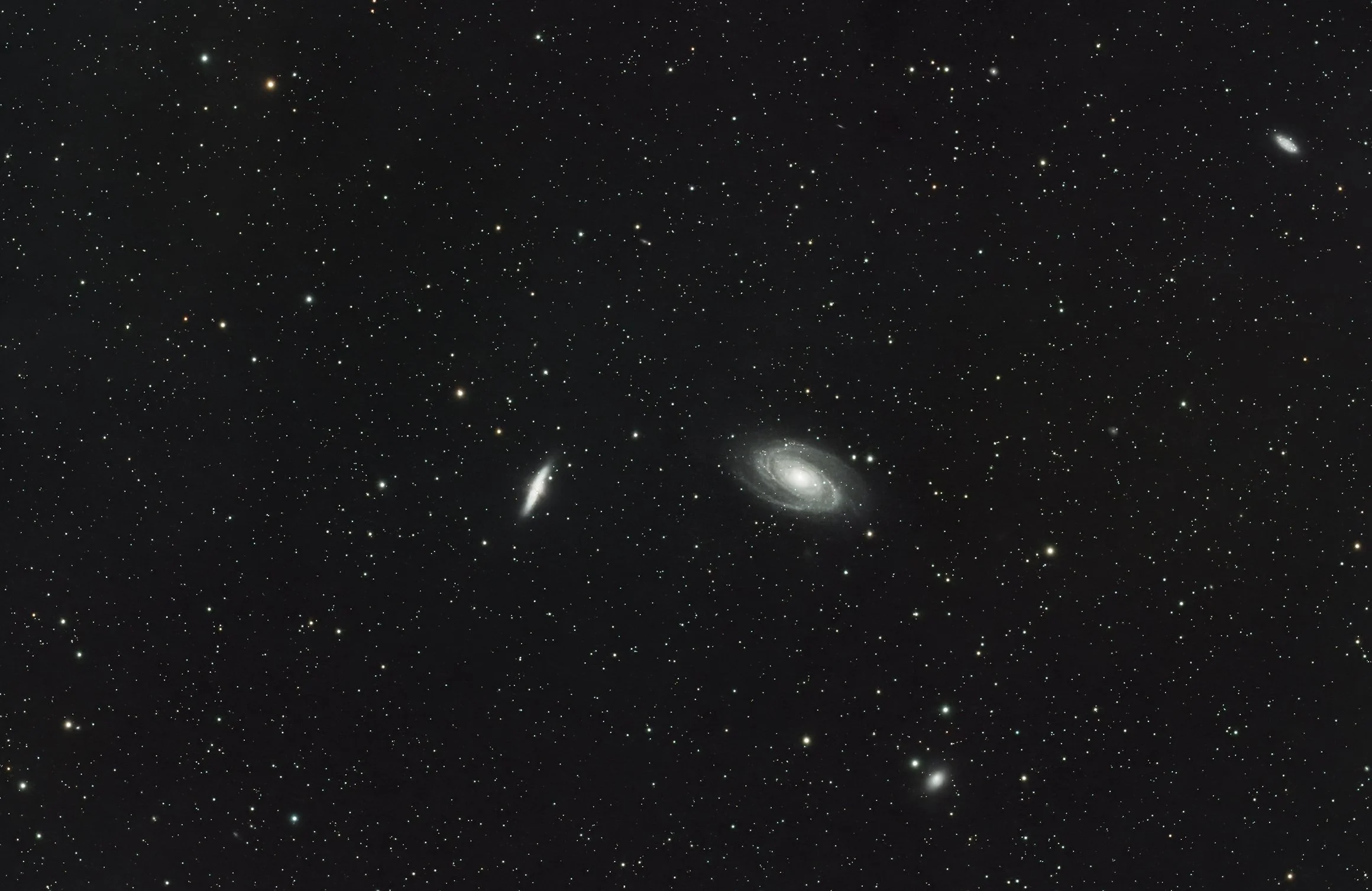
M81 and Surrounding Galaxies
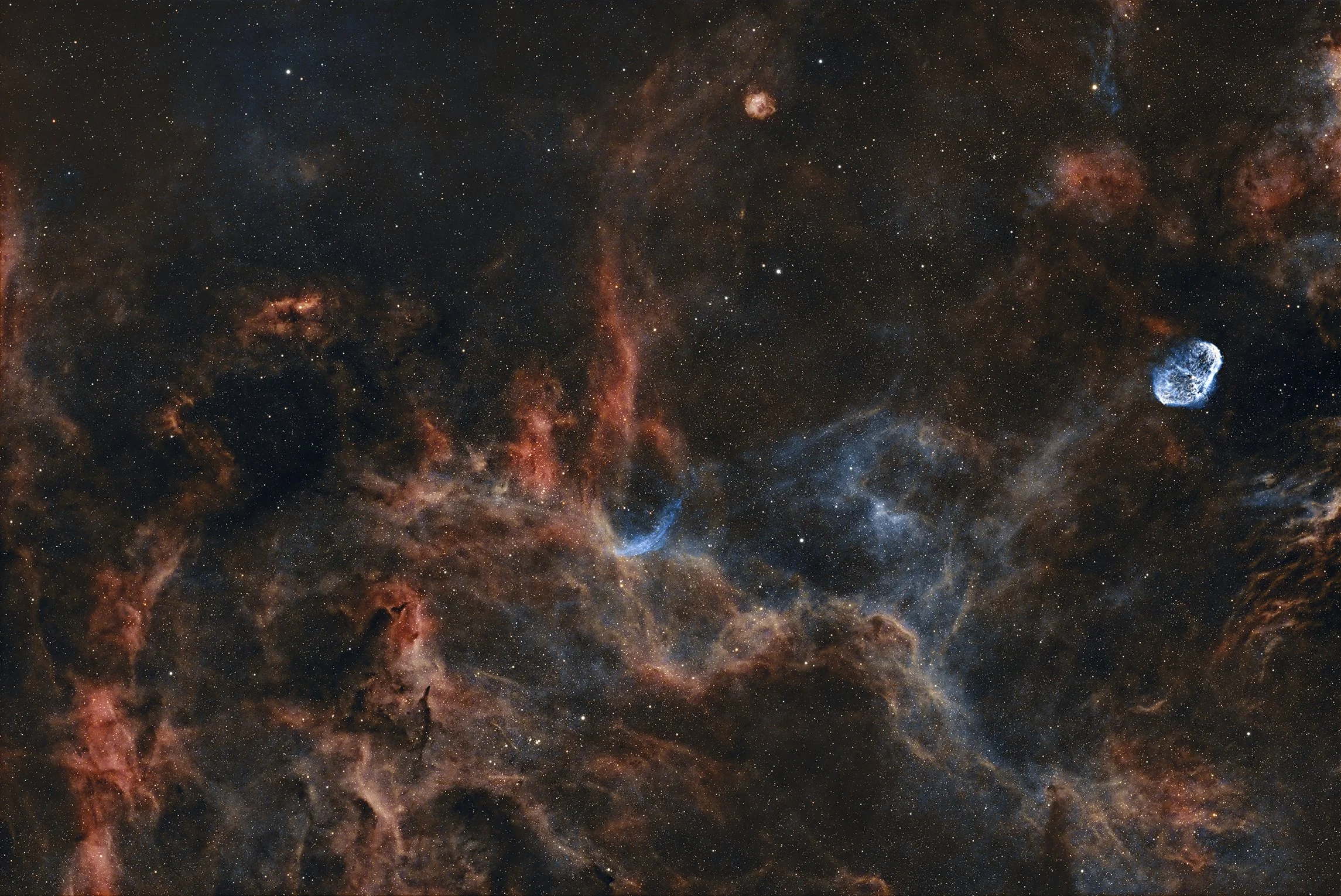
NGC6871 Open Cluster and Surrounding Nebula HO
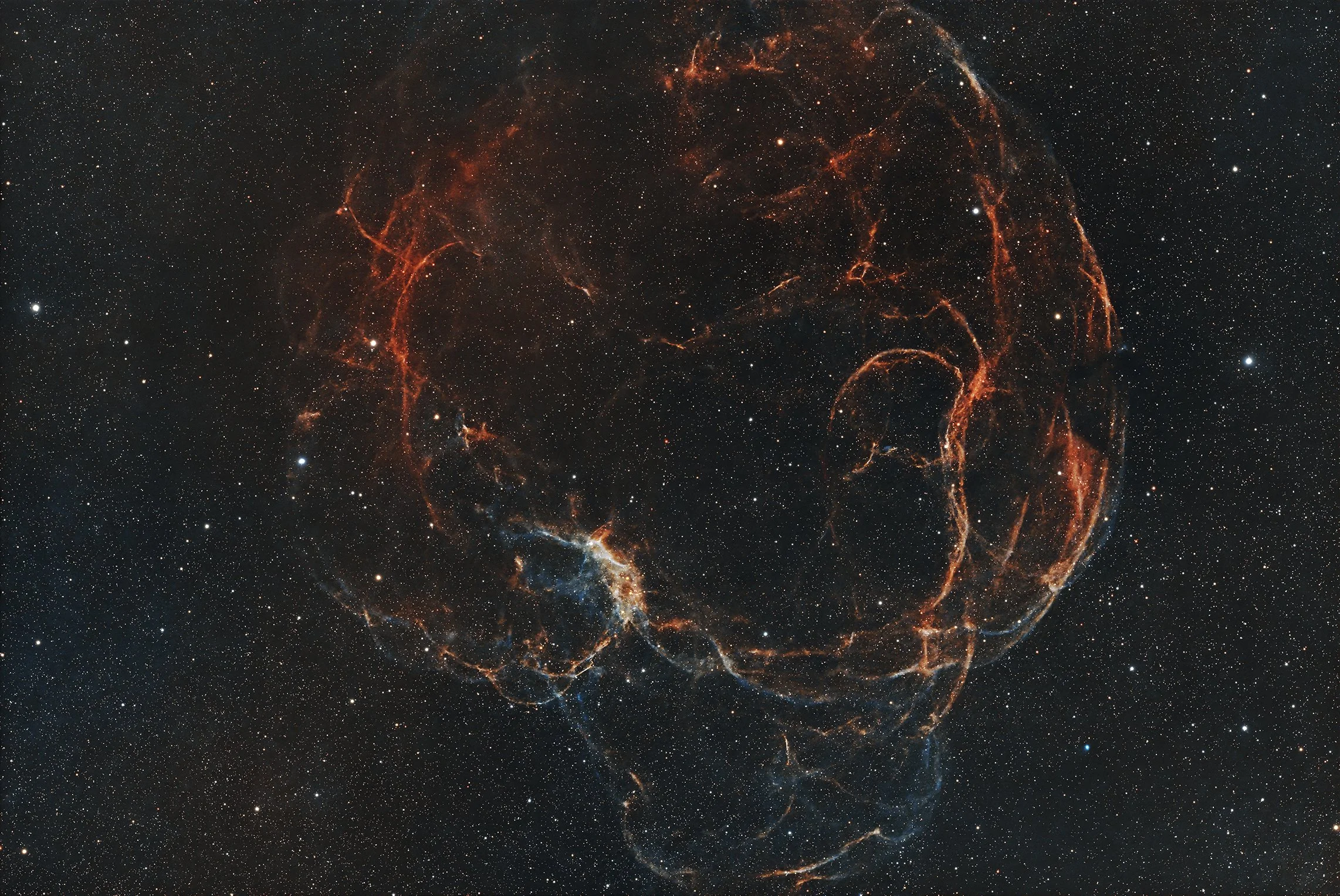
SH2-240 Spaghetti Nebula Ha OIII
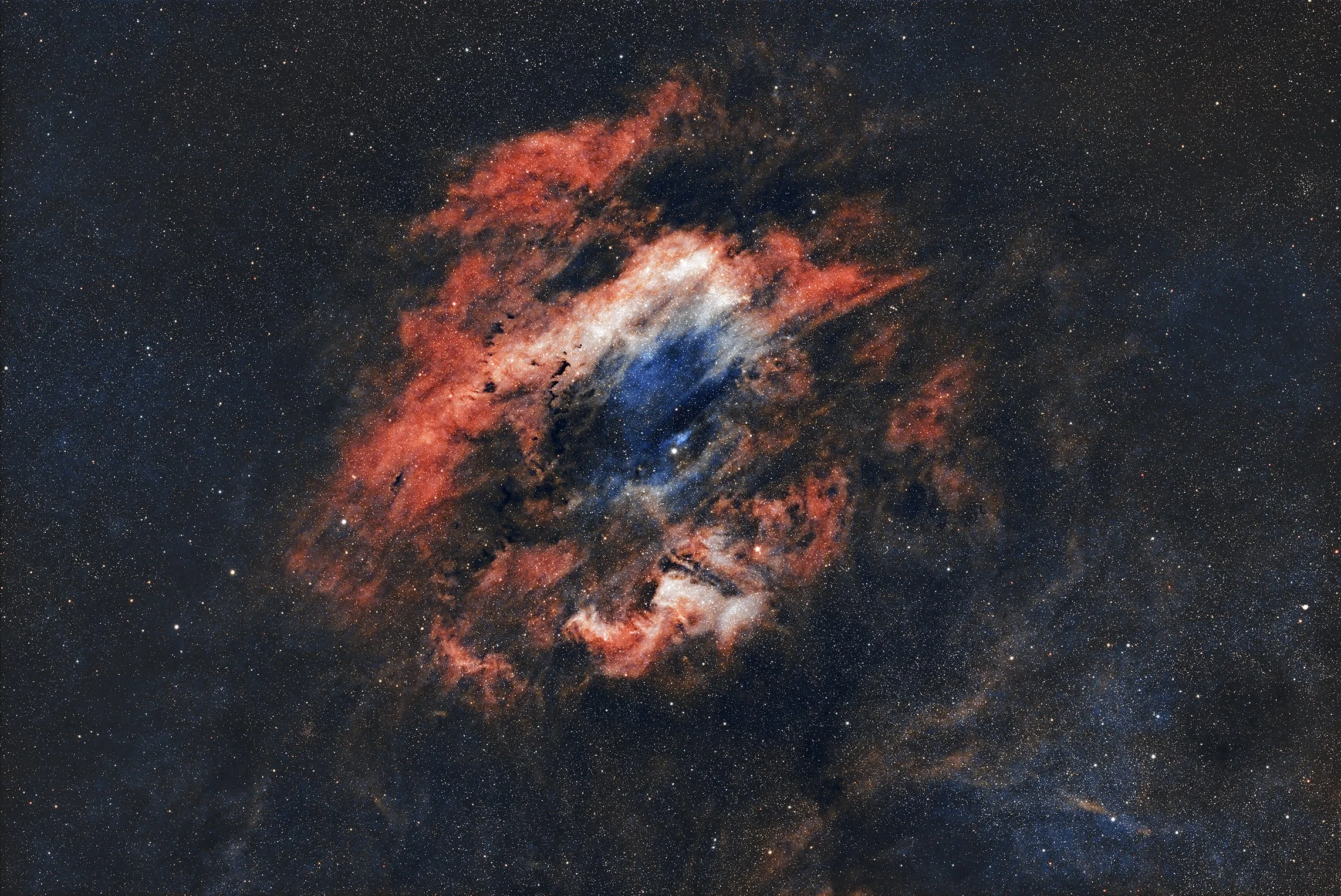
SH2-119 20260612 Clamshell Nebula HOO
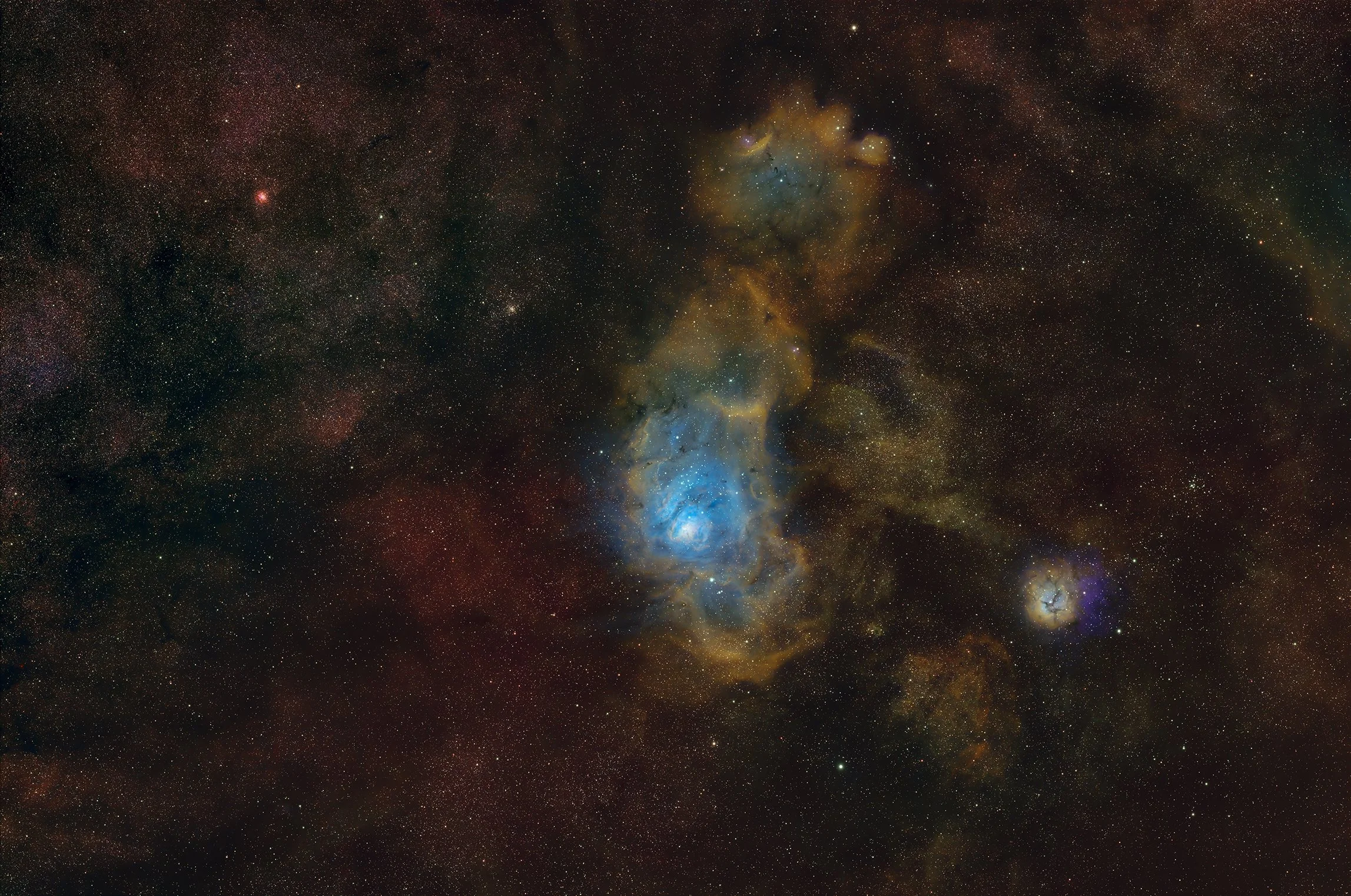
M8 M20 20260615 Lagoon/Trifid Nebulae SHO
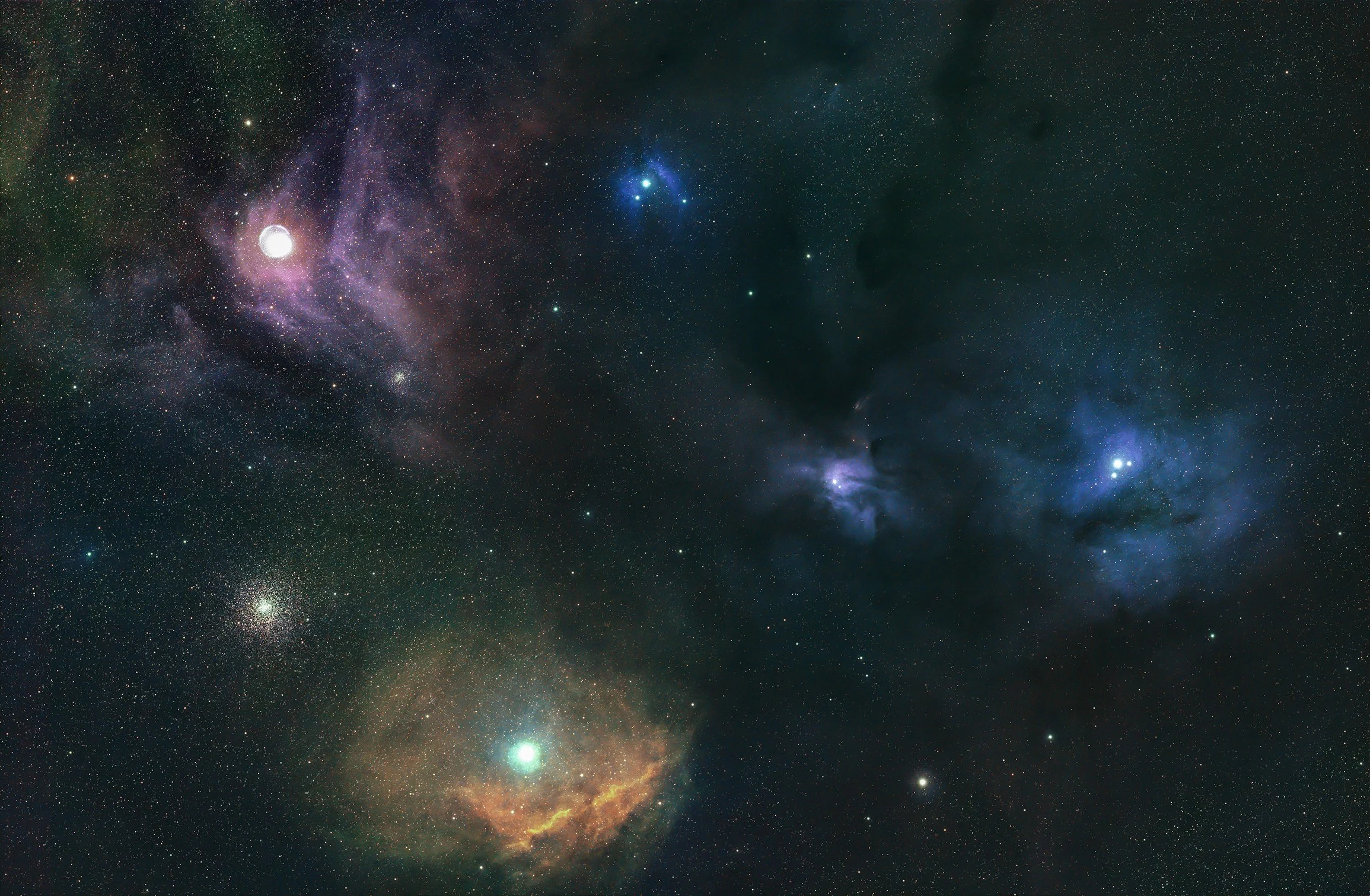
IC4604 20260616 Antares Nebula SHO
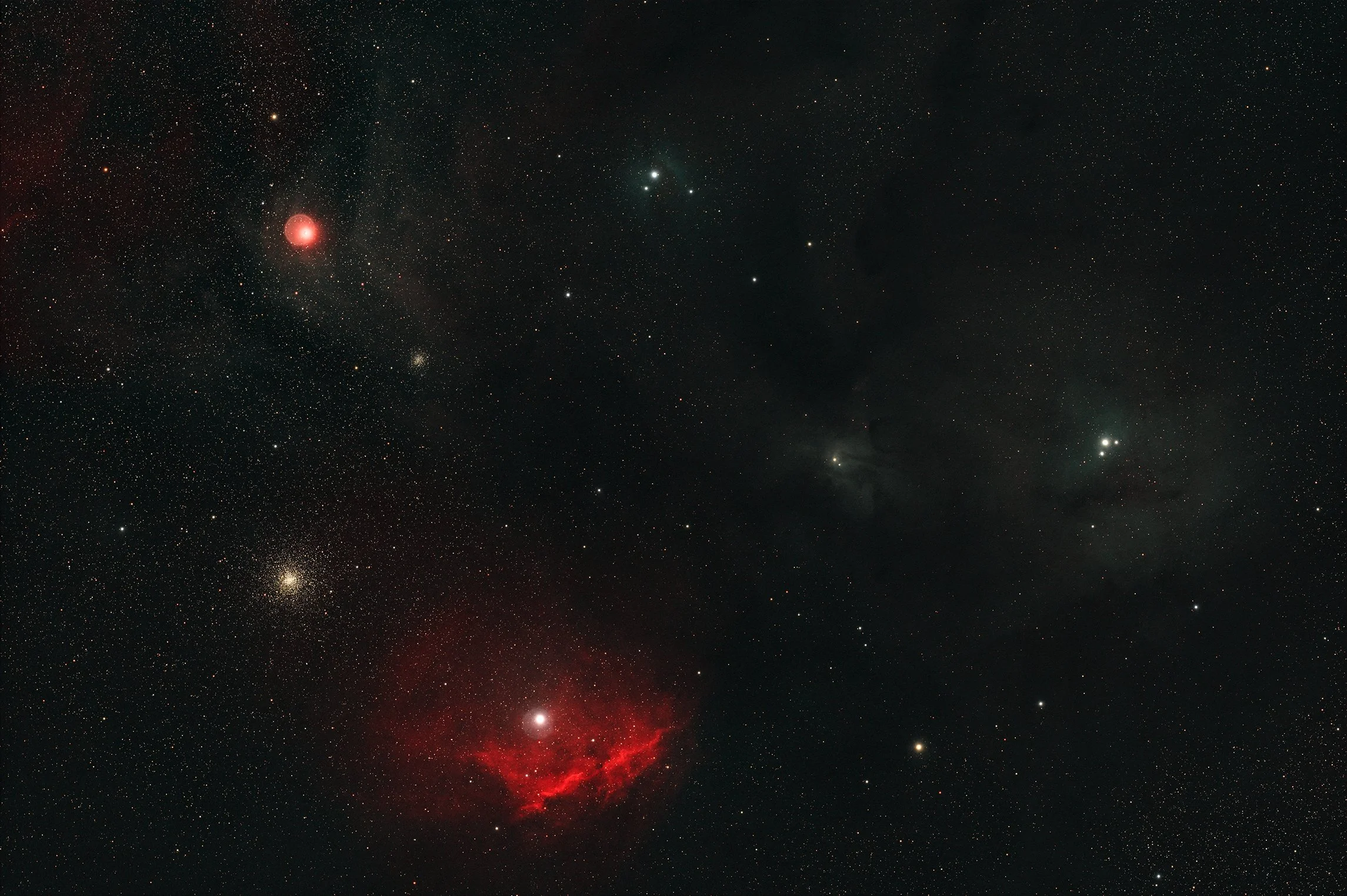
IC4604 20260616 Antares Nebula HOO
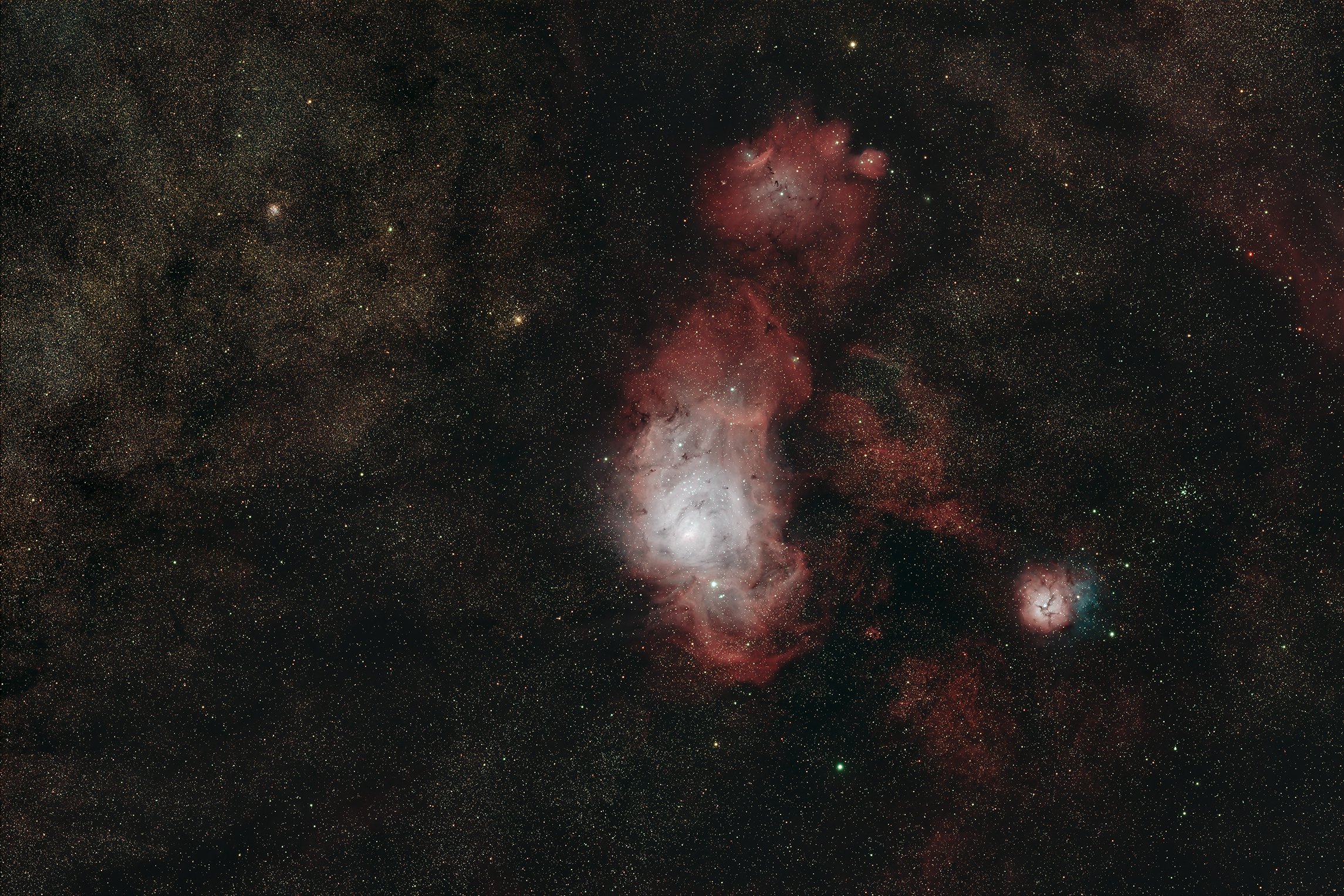
M8 M20 20260615 Lagoon/Trifid Nebulae HOO
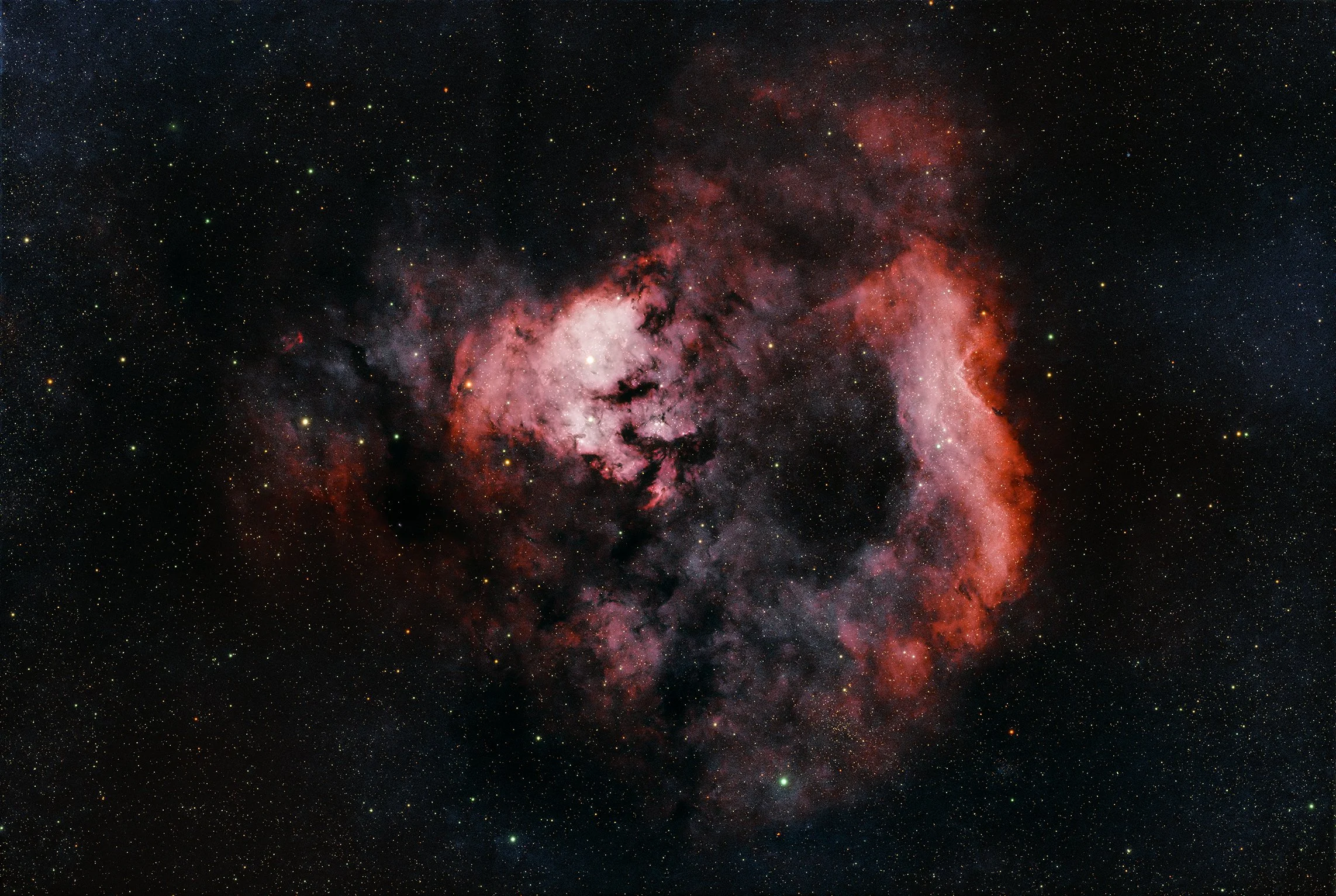
V398 20260705 Question Mark Nebula HOO
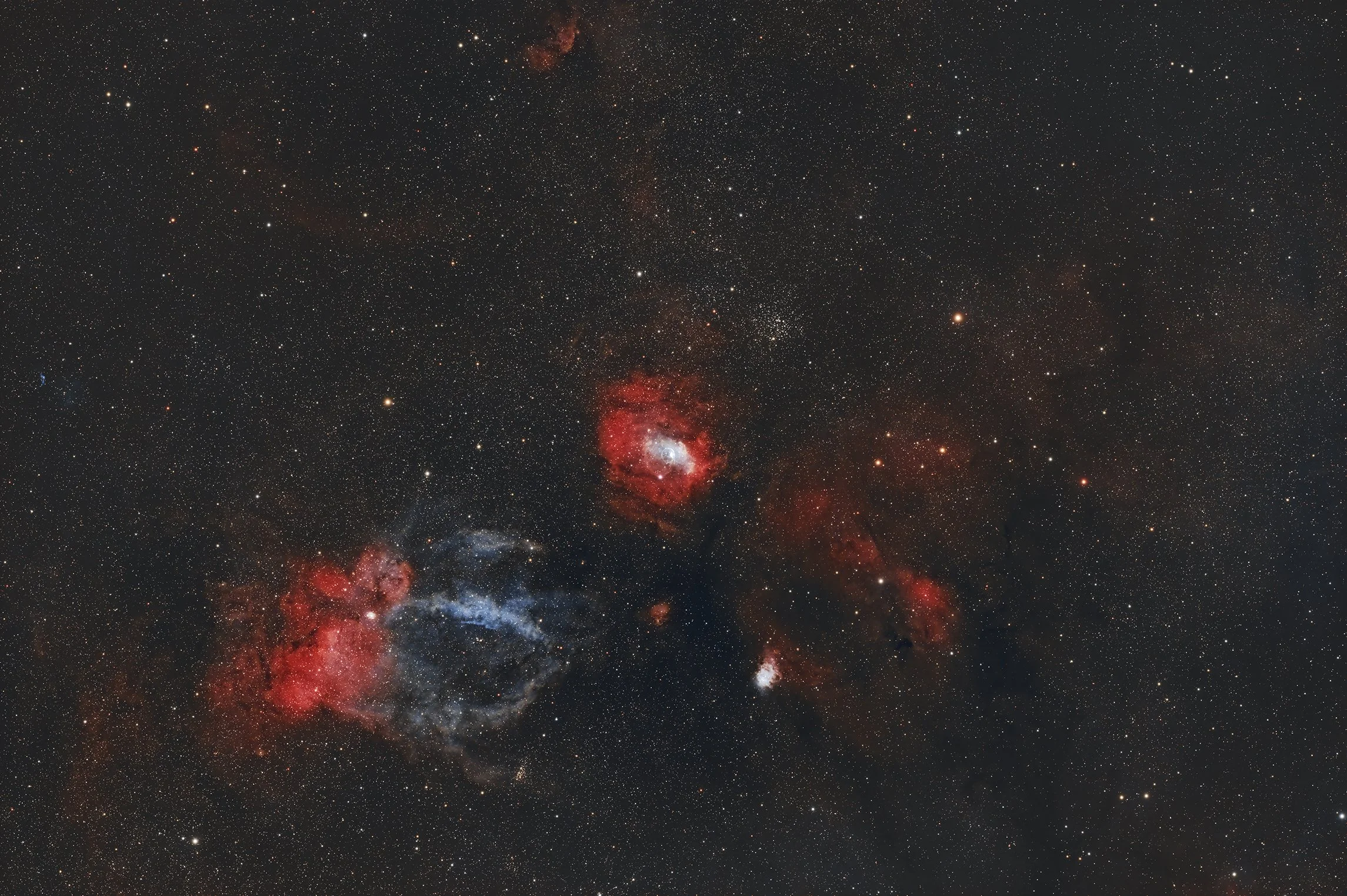
NGC7635 20260721 Bubble Nebula HOO
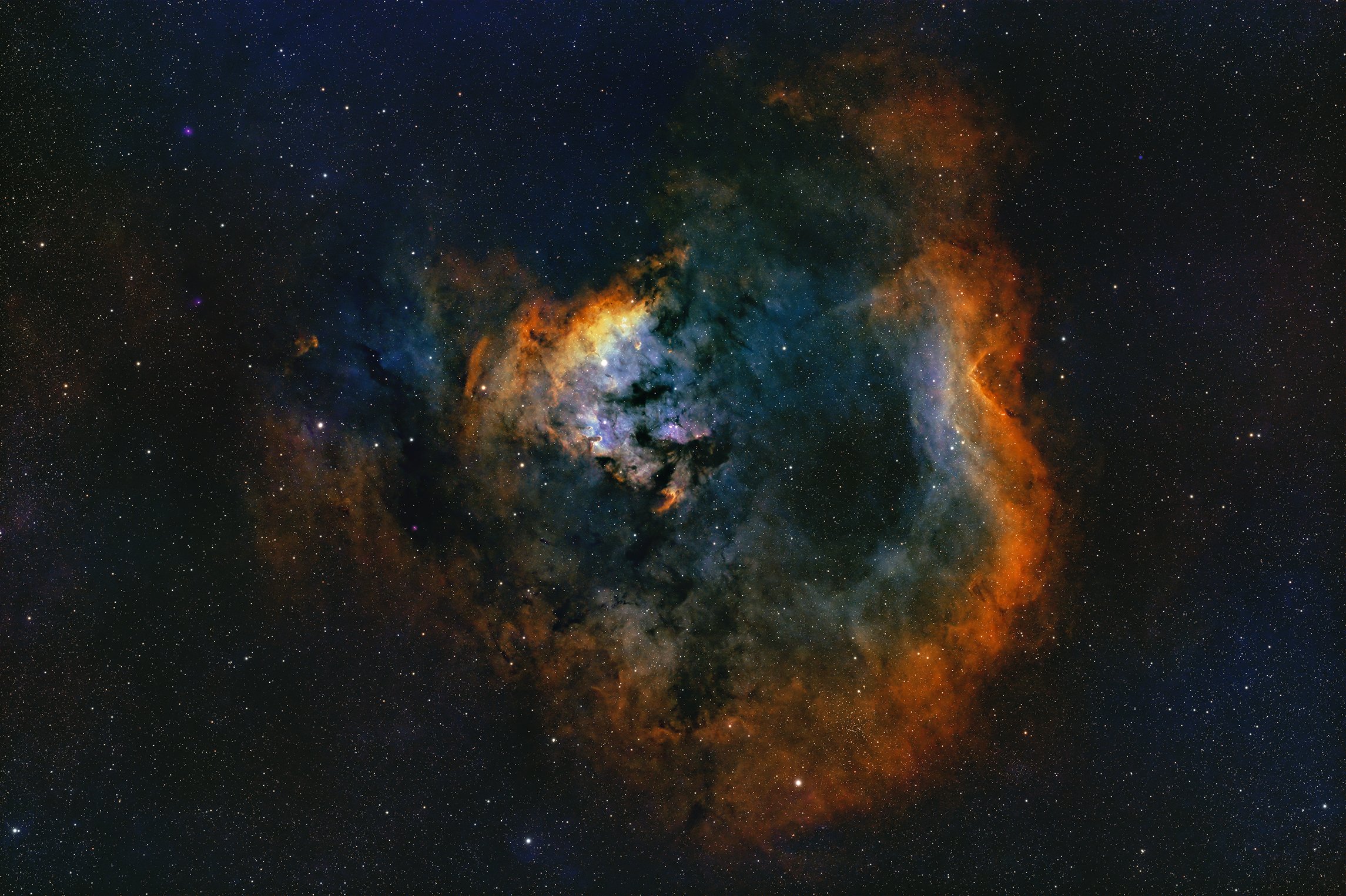
V398 Cephei 20260705 Question Mark Nebula SHO
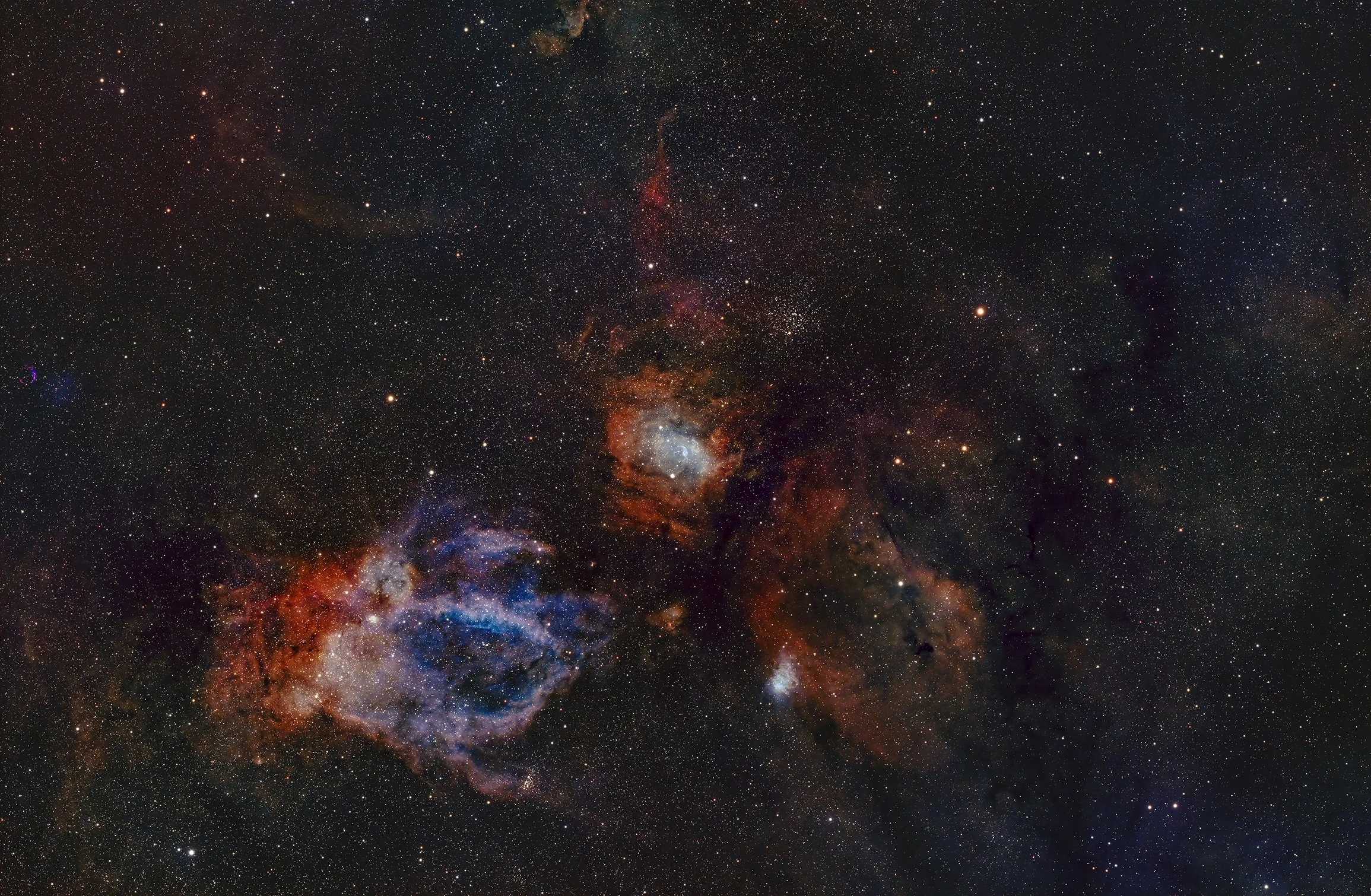
NGC7635 20260721 Bubble Nebula SHO
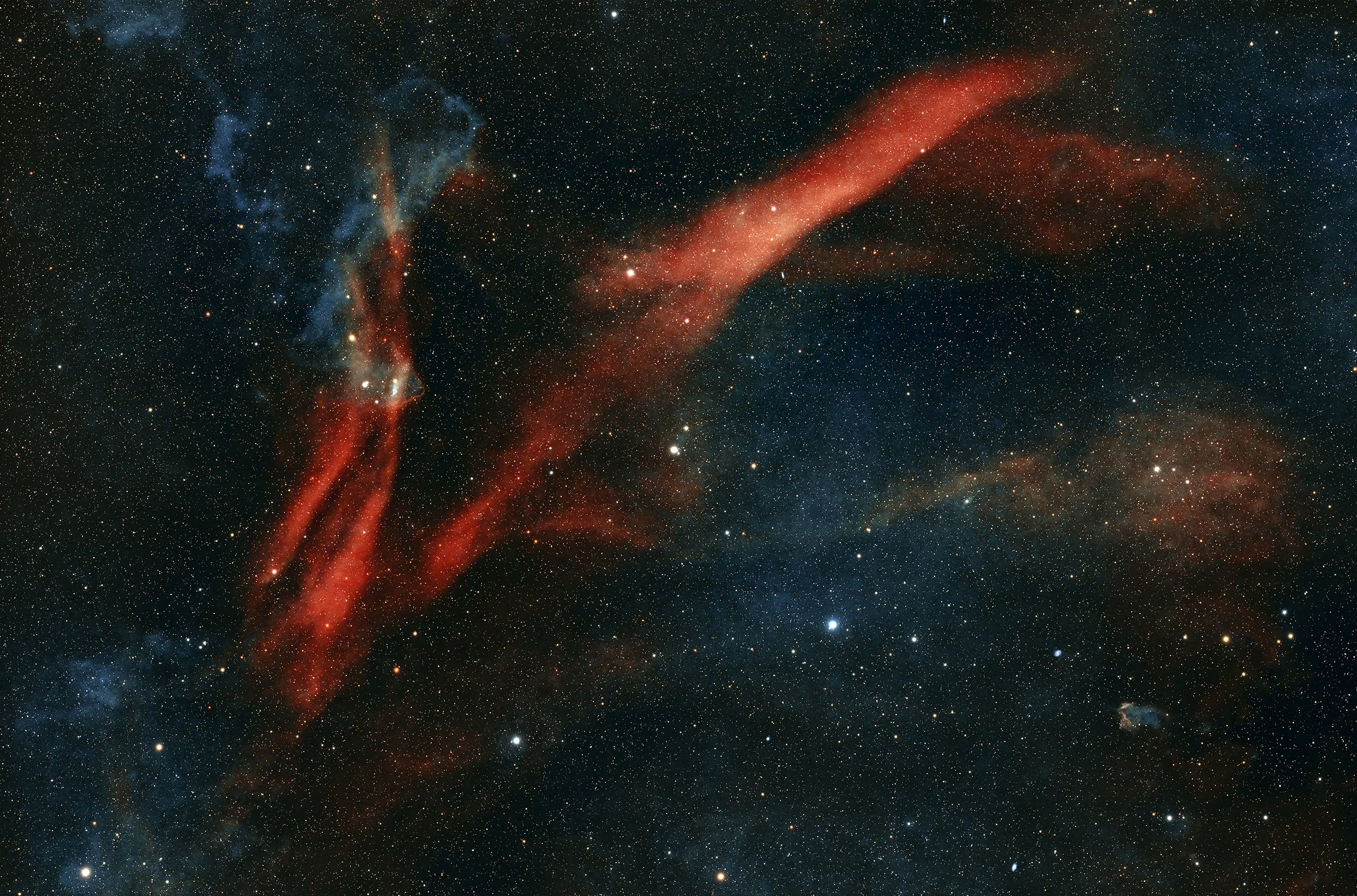
SH2-126 20260811 Gecko Nebula HOO
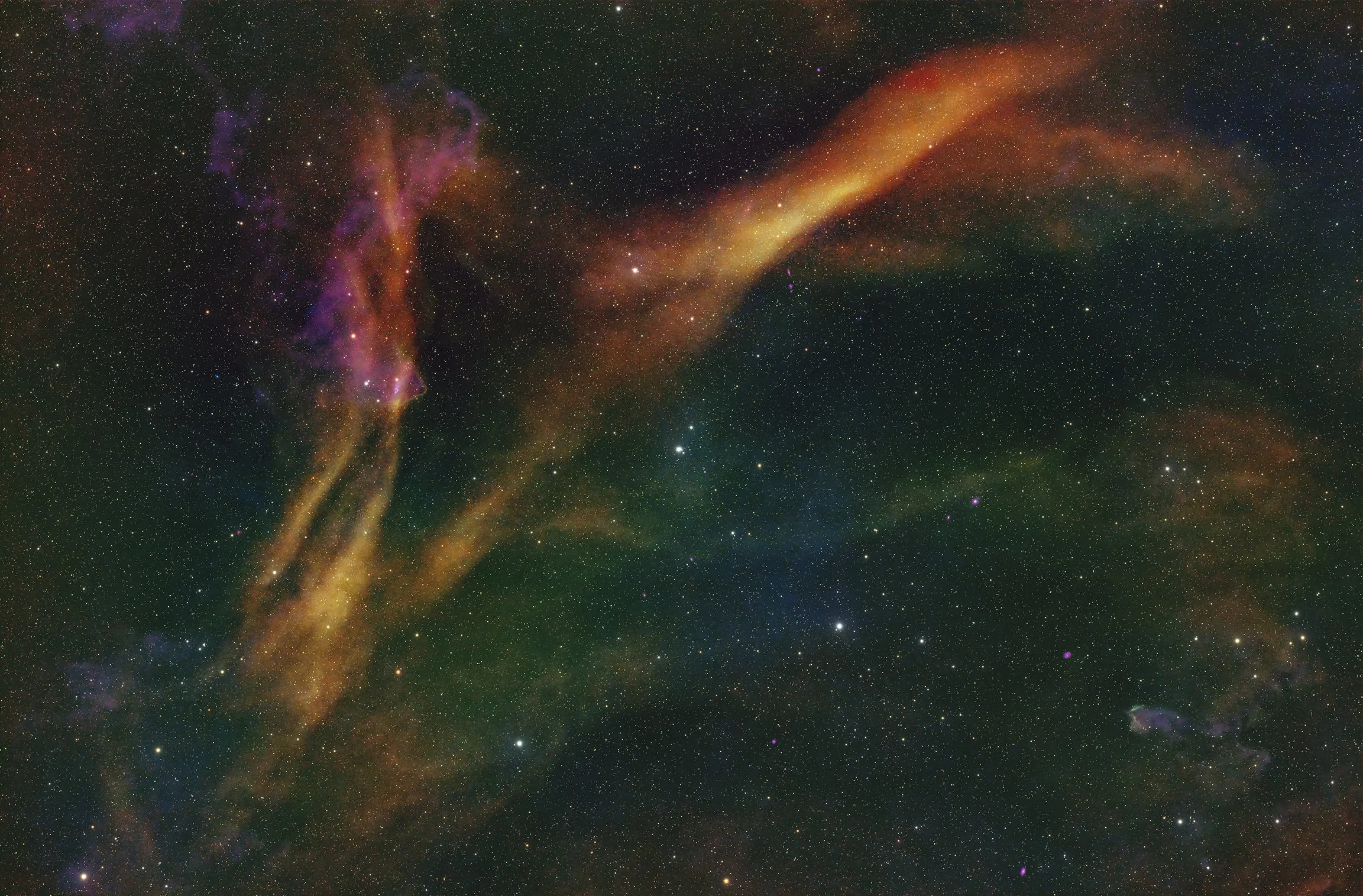
SH2-126 20260814 Gecko Nebula SHO
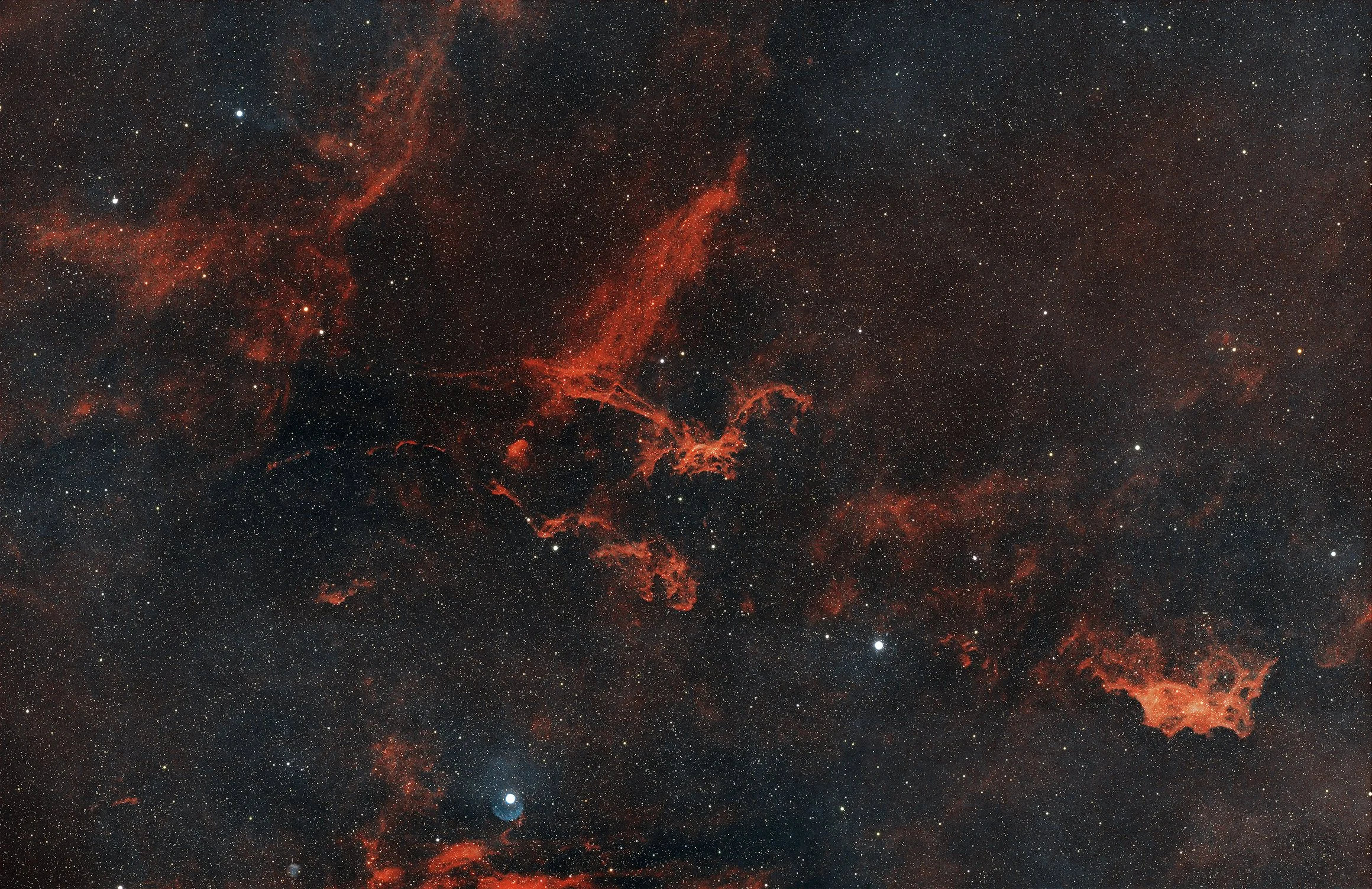
SH2-114 20260511 Flying Dragon Neb HOO
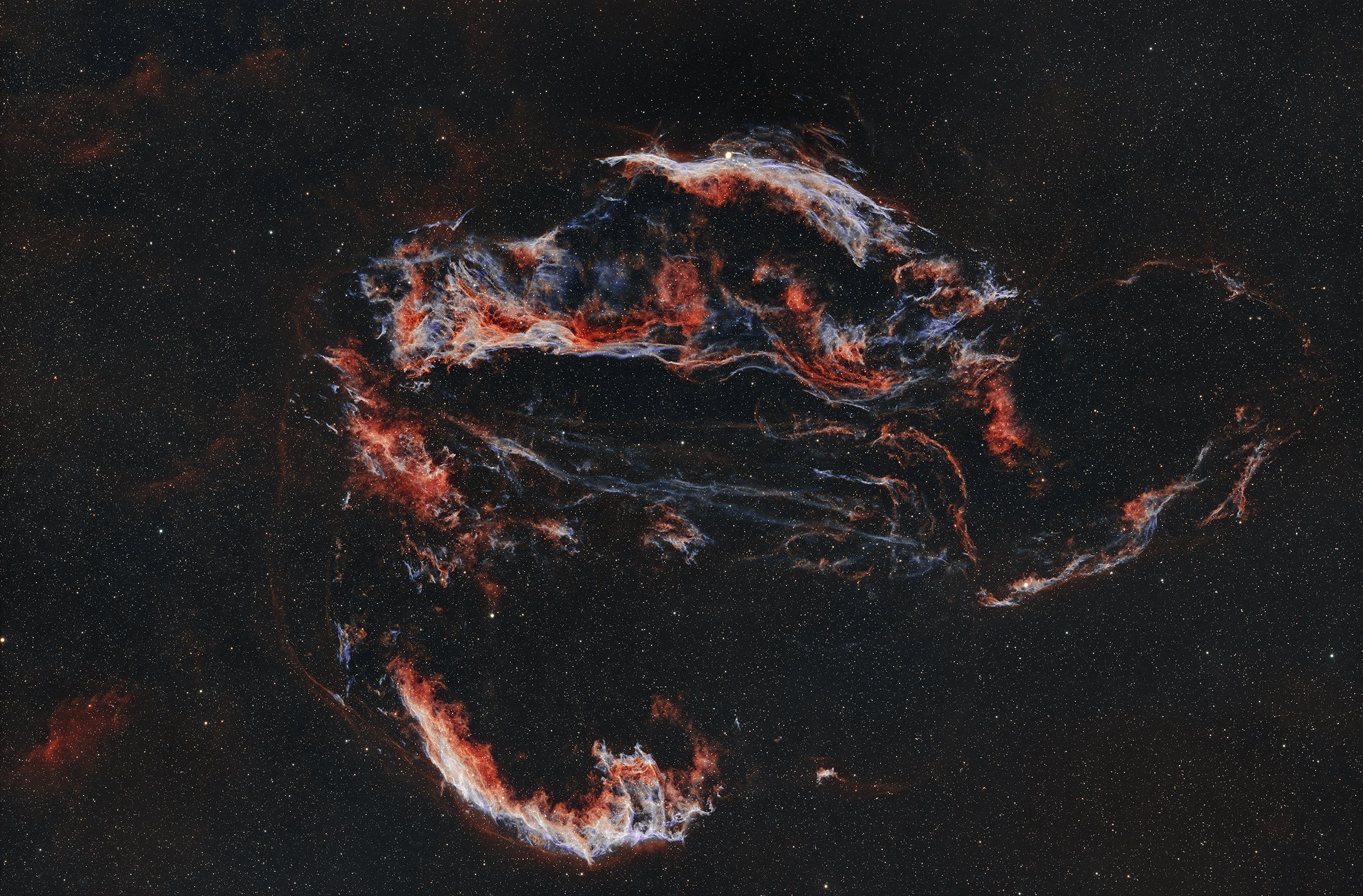
NGC6960 20260905 Veil Nebula HOO
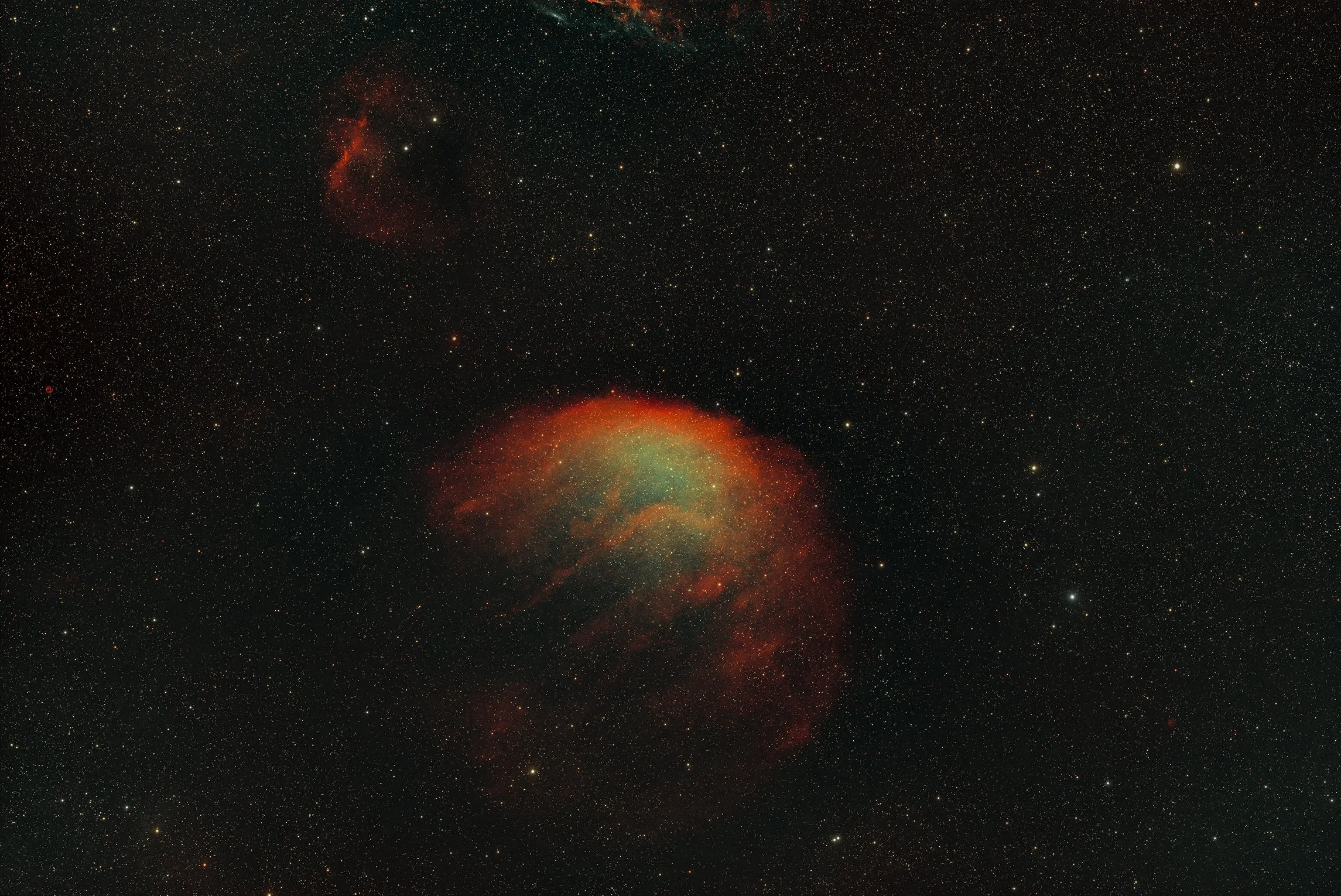
SH2-216 20260918 Planetary Nebula HOO
all Things Astronomy Related
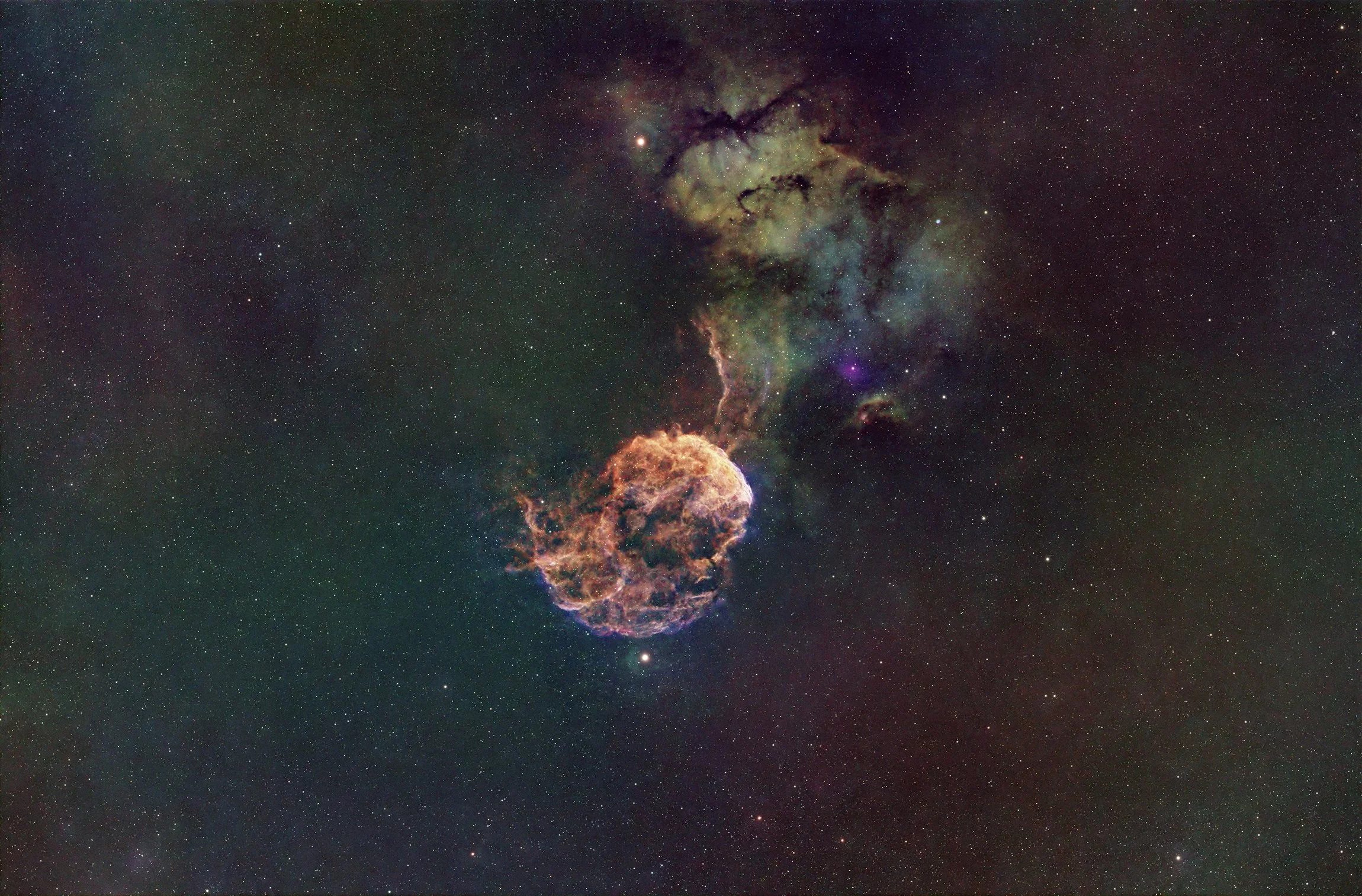
Current Imaging Projects
Just finished the first of six maybe eight SHO imaging runs on M42. Last night 200 thirty-second images were taken in Ha/OIII light. In the following nights as weather permits I hope to capture (200) 30 second, (100) 60 second, (50) 120 second and (?) 300 second images in both Ha/OII and SII/OIII light. With the accompanying darks, flats and bias images for each run, that’s at least a bushel basket full of images.
I have not been happy with any of my previous attempts at imaging M42. The incredible luminance range of the object is frustratingly difficult to capture. Perhaps this approach will be more successful.
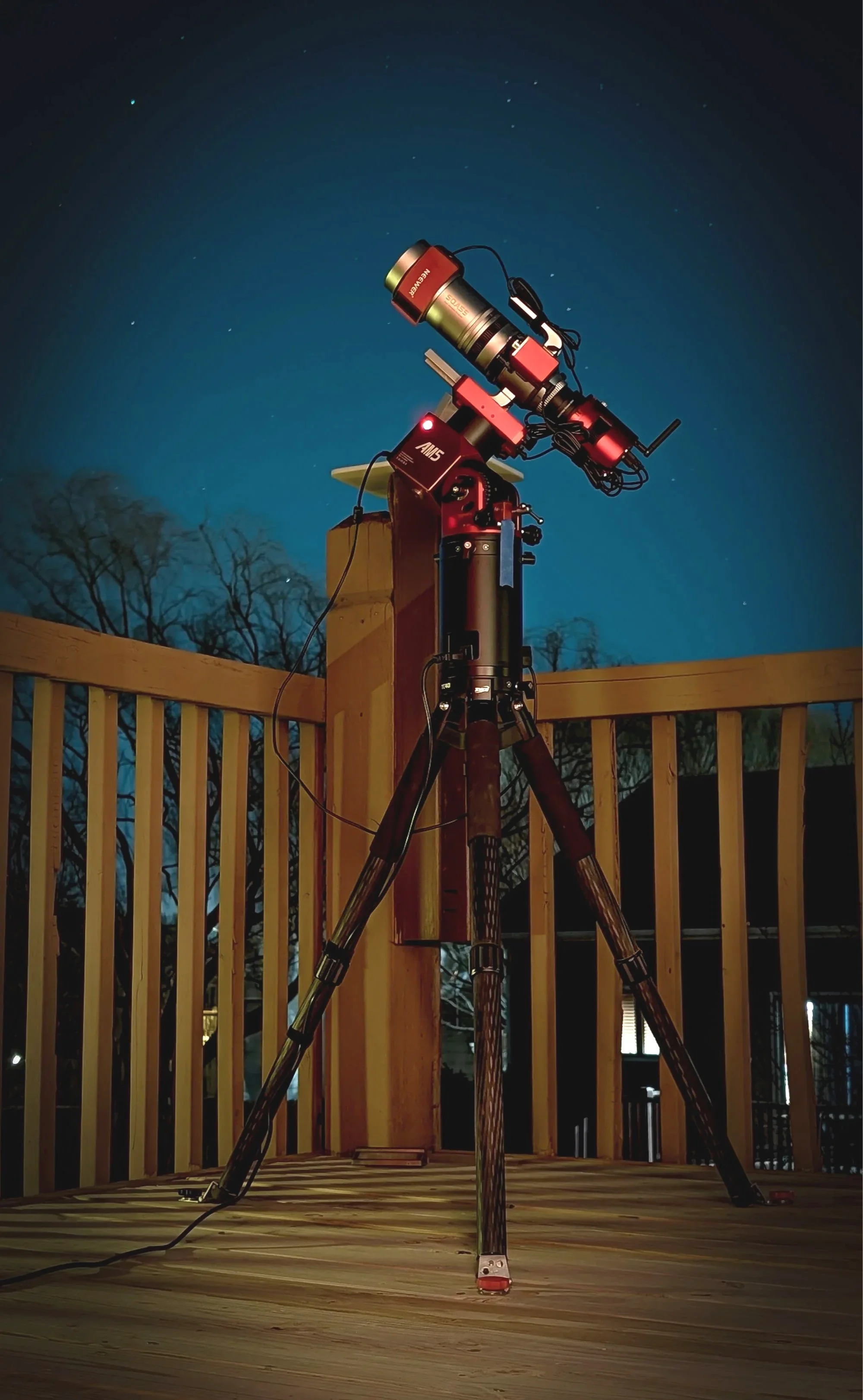
Astrophotography Equipment
Wide-Field Setup
Askar SQA-55 wide-field telescope
ZWO ASI2600MC AIR astrophotography camera with built-in off axis guider and ASI Air wireless camera, focuser and telescope mount controller
ZWO Electronic Auto-focuser (EAF)
ZWO AM5N harmonic mount in configured in equatorial mode
Carbon fiber tripod and pier extension
Filter set - Optolong L-Quad Enhance broadband, Optolong L-Synergy SII/OIII 7nm bandpass, Optolong L-exTreme Ha/OIII 7nm bandpass
DIY instrumentation pallet for indoor off tripod power and control
Ecoflow Delta 2 remote-site power
Quick change filter holder, dew heater and various other bits and bobs
Narrow-Field telescopes
Meade 12” LX200 3048mm focal length F/10 Schmidt Cassegrain Telescope
Orion EON 115mm ED Triplet Apochromat 805mm, F/7 Telescope with field flattener
Image Processing Applications
PixInsight
Adobe Photoshop
Astronomy & Space News
In the future, look to this space for all things astronomy news related.
Peak viewing times, recommended gear and tips for astronomical viewing and imaging this month.
Passion for Astronomy
As a young boy, the earliest recollection I have that astronomy might play a big part in my future, occurred on my grandparent’s farm in southwestern Kansas. It was Christmas time and the entire extended family had gathered to have a meal and open gifts. I believe there were at least a thousand people packed into a two bedroom house that measure maybe thirty-five feet on a side (hyperbole is such a terrible crime). While meal preparations were being made the kids were banished from the house to play in the yard until things were ready. A few of us made a beeline for the cars, jumped on the hood to stay warm, and lay there staring up at the night sky. At that time I knew nothing of asterisms or deep-sky objects or comets or planets or galaxies. I did know however, that looking up at that pristine sky that night changed me in a profound way. Obviously I’d seen the night sky before, but at that moment it all just kind of hit me . . . the sheer awesomeness of what I was seeing.
Fast-forward a decade or so and the second astronomical epiphany hit me. The night sky is in motion. Not from a spinning earth perspective, but from a cataclysmic, chaotic, orbital mechanics perspective. My friends and I decided to drive to a dark sky site nearby to witness one of the year’s more prolific meteor showers. I’d heard and read about meteor storms before, but never really expected to see one. What followed might not have been a true storm , but seeing two or three rocks burning up in the atmosphere every second for what seemed like several minutes certainly struck me as what a meteor storm might look like. The show was the result of the earth moving through a debris field that contained the remnants of a comet or asteroid that had been orbiting our sun for eons. While some may see this revelation as pedestrian in nature - I saw it as live entertainment in the sky. More interesting than any sci-fi, drama, action, mystery, or horror movie I’d ever seen.
From that point on I spent every spare moment learning all there was to know about the constellations, major stars, asterisms, nebulae, solar system objects, star clusters, etc.. Initially, this was accomplished with just a pair of 10×50 binoculars and a three volume set of Burnham’s Celestial Handbooks. I started off looking at the Messier objects. They resolved as gray smudges in the binoculars, but that was ok, I was learning the night sky beyond what the naked eye would reveal. Once I moved on to a telescope, it was much easier to locate objects because the wide-field experience had taught me how to star-hop to the more difficult-to-find objects. Now, when a person who is new to astronomy asks me what kind of telescope to buy, I always coach them to purchase a good set of binoculars first, learn the night sky, then move on to a telescope. A telescope’s narrow field of view brings with it a whole new set of frustrations that will be so much more easily overcome if you already know how to find objects in the night sky.
Fast-forward another couple of decades and my brother and I have built a 10” F/6 Newtonian telescope on an wooden equatorial mount. We designed it to operate as both a planetary and deep sky telescope by reducing the secondary. This improved the contrast for planetary viewing and double star resolution without compromising field illumination when viewing deep sky objects. Many enjoyable evenings were spent under the stars with that telescope learning the wonders of the night sky that open up when you add a little magnification.
Suffice it to say, there have been many inspirational moments in my lifelong study of all thing astronomical. I don’t see that changing anytime soon. Nothing has ever captured my imagination the way astronomy has. I’m still as excited today to head outside and witness the wonders of the night sky as I was over five decades ago when this journey started.